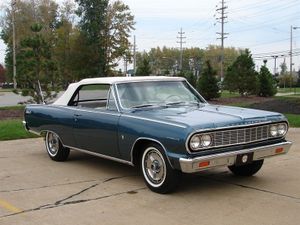
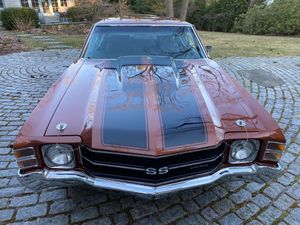
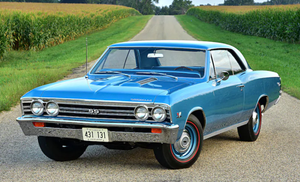
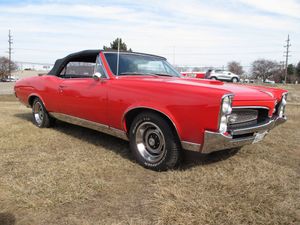
The Chevelle was first introduced for model year 1964 as a mid-sized car to compete with the Ford Fairlane, and made its debut with a range of options and body styles. It was an instant success with GM producing 328,400 its first year.
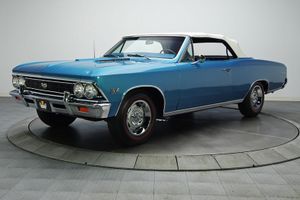
Touting new styling and a range of performance options, the 1966 Chevelle remained the viable choice for many. It still included the previous four models and offered up big new looks with a broad new grille and bumper, a more raked roofline, chrome accents and a curved side window.
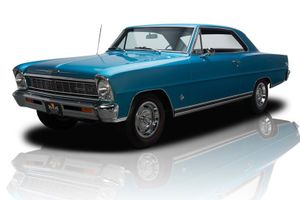
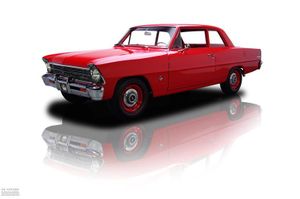
The 1966 Nova introduced the second-generation with a sharp-edged restyle based in part on the Super Nova concept car. To sum it up, dimensions were squared up a bit, but features changed little.
It did receive several safety-oriented upgrades like an energy-absorbing steering column and safety steering wheel, along with soft interior parts like armrests and sun visors, recessed instrument panel knobs, and front shoulder belt anchors.
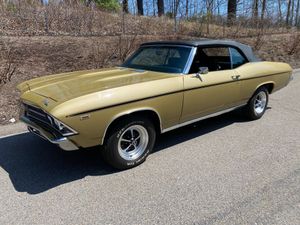
tyling changed little for the 1969 Chevelle with the exception of new tail lamps. Most notable, however, was the elimination of the SS 396 as a model itself, but could be added to any two-door model Chevelle as a $347 package.
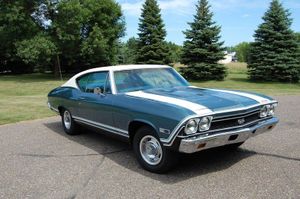
Since the Chevelle was first released they had been built on a 115-in wheelbase, but the 1968 featured a 116-in wheelbase for all sedans and every other model was built on a 112-in wheelbase.
The 1967 Chevelle changed very little from the previous year, but had a new reworked bumper and a new blackout tail panel. Among other changes, it did come with better drivability because of more aggressive tires, front disc brakes, and 14” wheels.