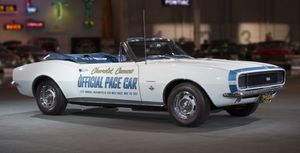
In 1964, GM gave the go-ahead for their very own “Pony Car” to directly compete with the Mustang. Two years later, and the Chevrolet Camaro was ready for purchase.
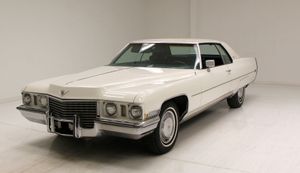
The 1972 DeVille received a modest frontal revision that placed more emphasis on horizontal grille blades. The parking lamps were moved from the bumper to between the square bezeled headlamps, which were now set wider apart.
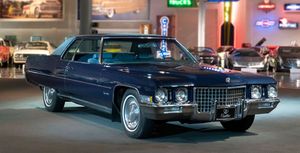
The 1971 DeVille was redesigned and set a record for interior width that would not be matched by any car until the full-size GM rear-wheel-drive models of the early to mid-90s.
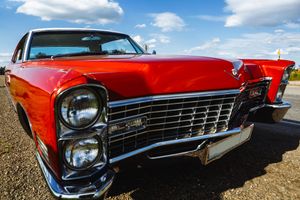
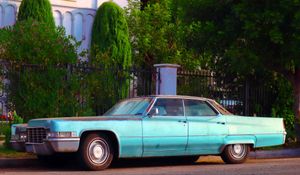
The 1968 DeVille saw the installation of a power-oriented front seat with horizontal adjustment and the addition of illuminated door panel reflectors. There were richer appointments inside and out, including the traditional rear fender Tiffany-like scripts and plusher upholstery trims.
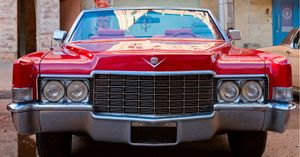
The 1970 DeVille received a facelift that included a grille with 13 vertical blades set against a delicately cross-hatched rectangular opening. The bright metal headlamp surrounds were met with more body color paint for a more refined look. Narrow vertical "vee" taillights were seen again.
The 1969 DeVille was restyled in the Eldorado image with Eldorado-like front fender treatment that helped emphasize a stronger horizontal design line. Rear quarters were extended to give the car a longer look.
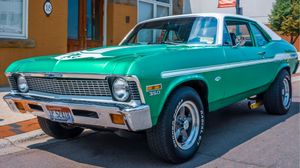
The 1972 Nova received only minor trim changes. The Rally option with special suspension returned and was a rather popular choice with 33,319 sold.
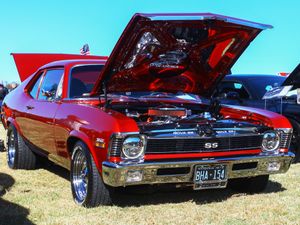
Super Sport equipment went on 12,309 coupes, some of which also had the Rally package.
1970 was the final year the 396 could be optioned in. The 350ci/300hp would become the top performance option, with only a handful of 396 Novas being produced in 1970.
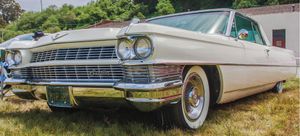
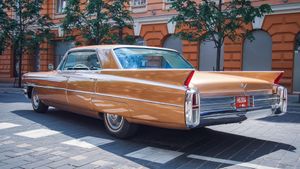
The 1963 DeVille reflected Series 62 styling revision with DeVille signature script above the lower belt line molding near the rear of the body. Rooflines on two-door hardtops were restyled.
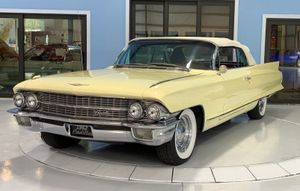
The 1962 DeVille was basically a toned-down '61 with GM settling into a styling groove. Rear fins were now lower and less extravagant, a tamer grilled, and backup/turn/stop lights combined behind a single white lens for a cleaner look.
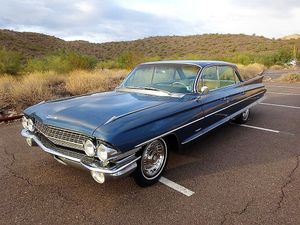
The 1961 DeVille was restyled and re-engineered for 1961. The new grille slanted back towards the bumper and hood with the mesh being split by a sold piece of chrome. Quad headlights finished off the outsides of the grille.