
The collector car market, in your inbox
Classic car news, hand-picked vehicles, and auction coverage. Choose what lands in your inbox.
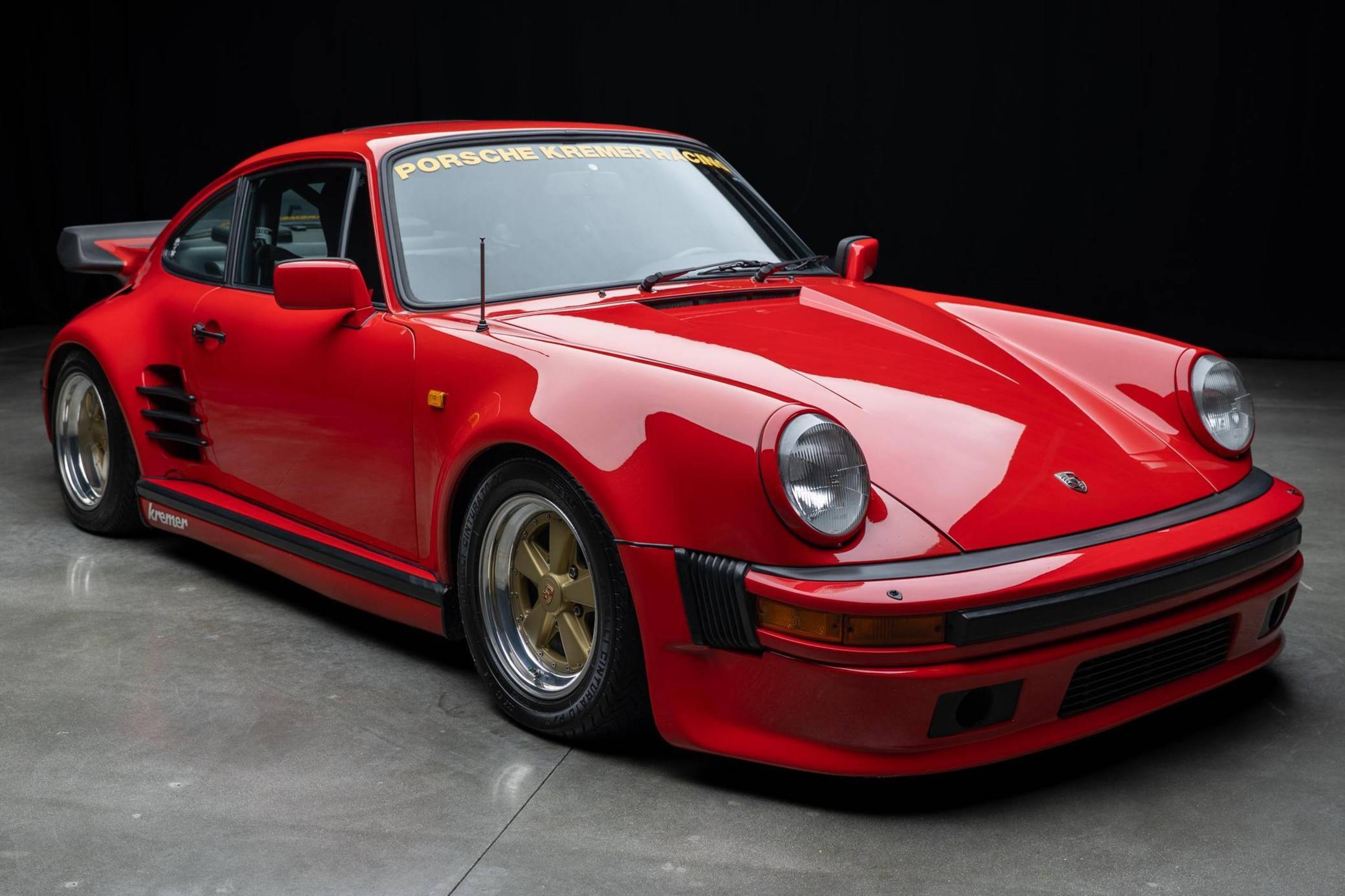
Few cars have a nickname as dramatic as the Porsche 930 Turbo’s. It earned “Widowmaker” the hard way, and the story says a lot about why the car became an icon.
A road car born from racing
The 911 Turbo (internally the 930) debuted in 1975, drawing on Porsche’s experience with turbocharging in racing. It paired the 911’s rear-mounted flat-six with a turbocharger, and it quickly became one of the fastest production cars of its day. Over the years, the engine grew to 3.3 liters and gained an intercooler.
Turbo lag and sudden power
Early turbo engines delivered power in a rush. At low revs there was a pause, then boost arrived all at once. In a car with its engine hanging behind the rear axle, a sudden surge of power in a corner could unsettle the rear tires.
The rear-engine challenge
The 911’s layout puts weight over the rear wheels, which helps traction in a straight line but can make the car snap sideways if a driver lifts off the throttle mid-corner. Drivers who were not ready for that behavior could find themselves in trouble, hence the nickname.
Why people want one now
The wide rear fenders, large rear spoiler and wild reputation made the 930 an automotive poster car. Today it is a prized collector car, and values depend on originality, service history and condition. If you are shopping for one, learn what to check before you buy in our pre-purchase inspection guide.