
The collector car market, in your inbox
Classic car news, hand-picked vehicles, and auction coverage. Choose what lands in your inbox.
The Lotus Elite emerged in 1957 as one of the most technically advanced sports cars of its era, introducing innovations that would influence automotive engineering for decades. Developed as Lotus’ first purpose-built production road car, the Elite combined lightweight construction, aerodynamic efficiency, and sophisticated mechanical design in a compact package.
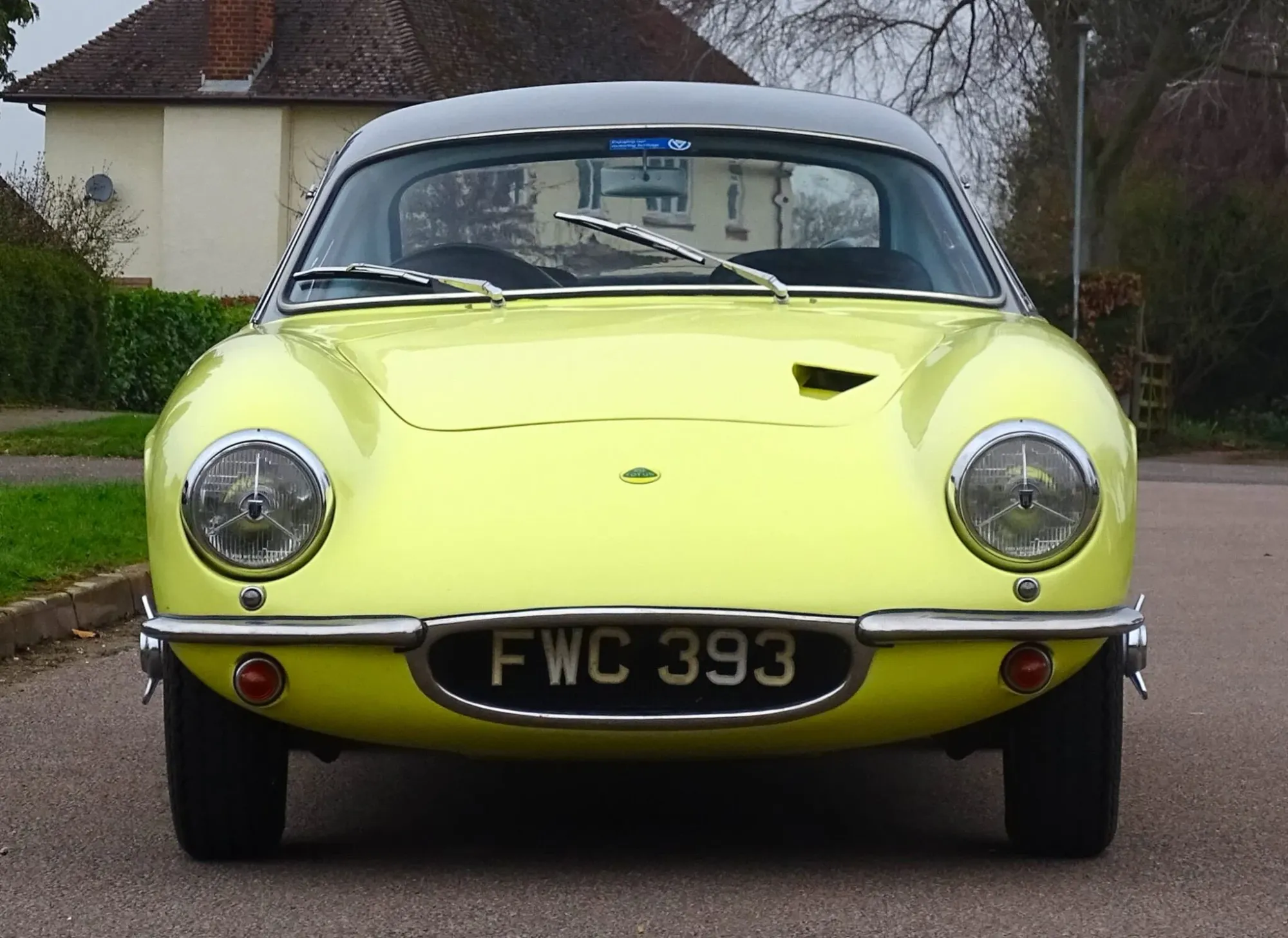
At the heart of the Elite’s significance was its pioneering structure. Unlike most cars of the time, which used fiberglass bodies mounted on traditional steel frames, the Elite featured a fully stressed fiberglass monocoque. This eliminated the need for a conventional chassis, making it the first production car to adopt such a design. The lightweight structure, combined with a minimal steel subframe for key components, contributed to a curb weight of just 673 kilograms.
The car’s aerodynamic profile was equally forward-thinking. Designed with careful attention to airflow, the Elite achieved a drag coefficient of 0.29, a figure that remains competitive even by modern standards. This efficiency allowed the car to deliver strong performance despite its modest 1.2-liter engine.
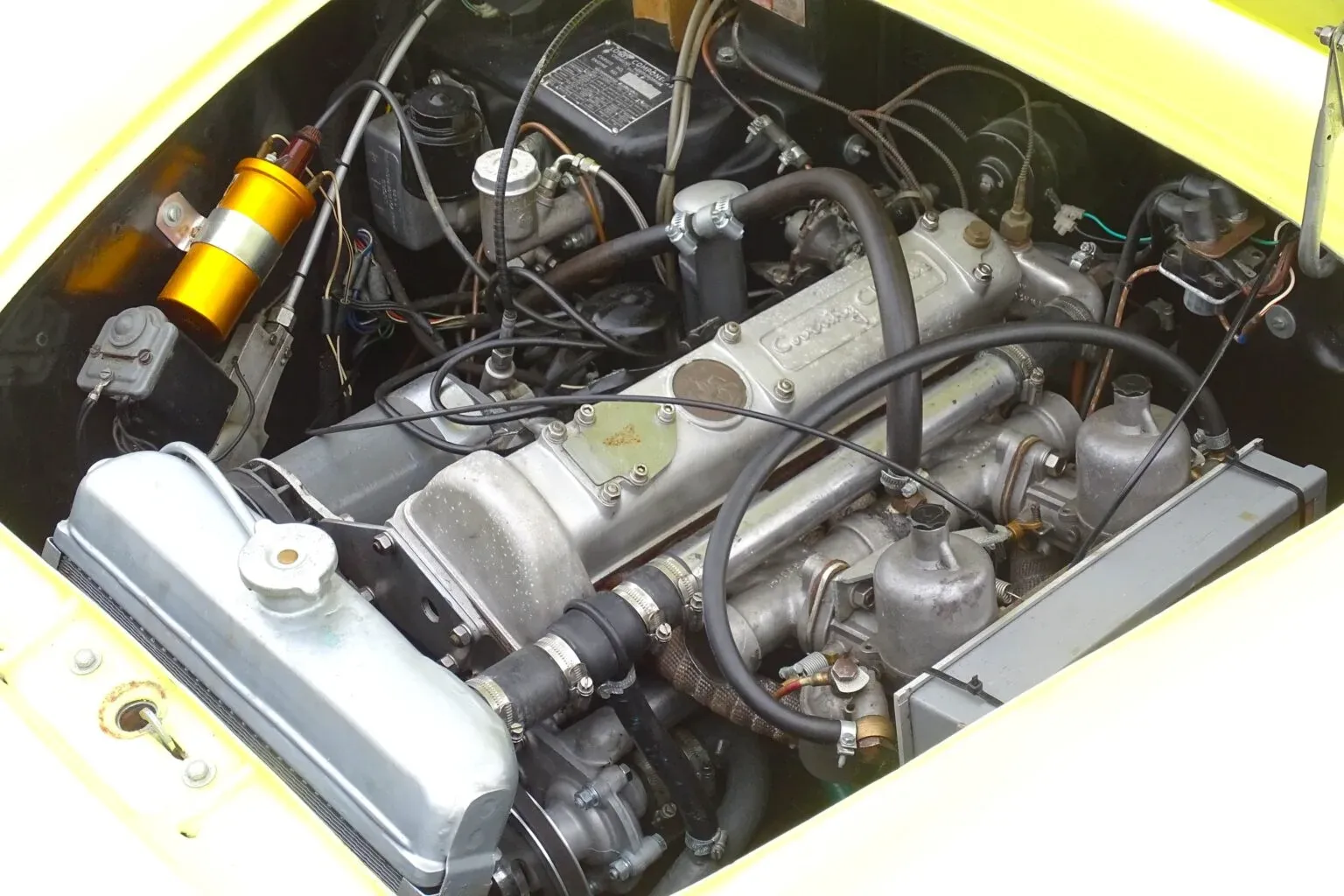
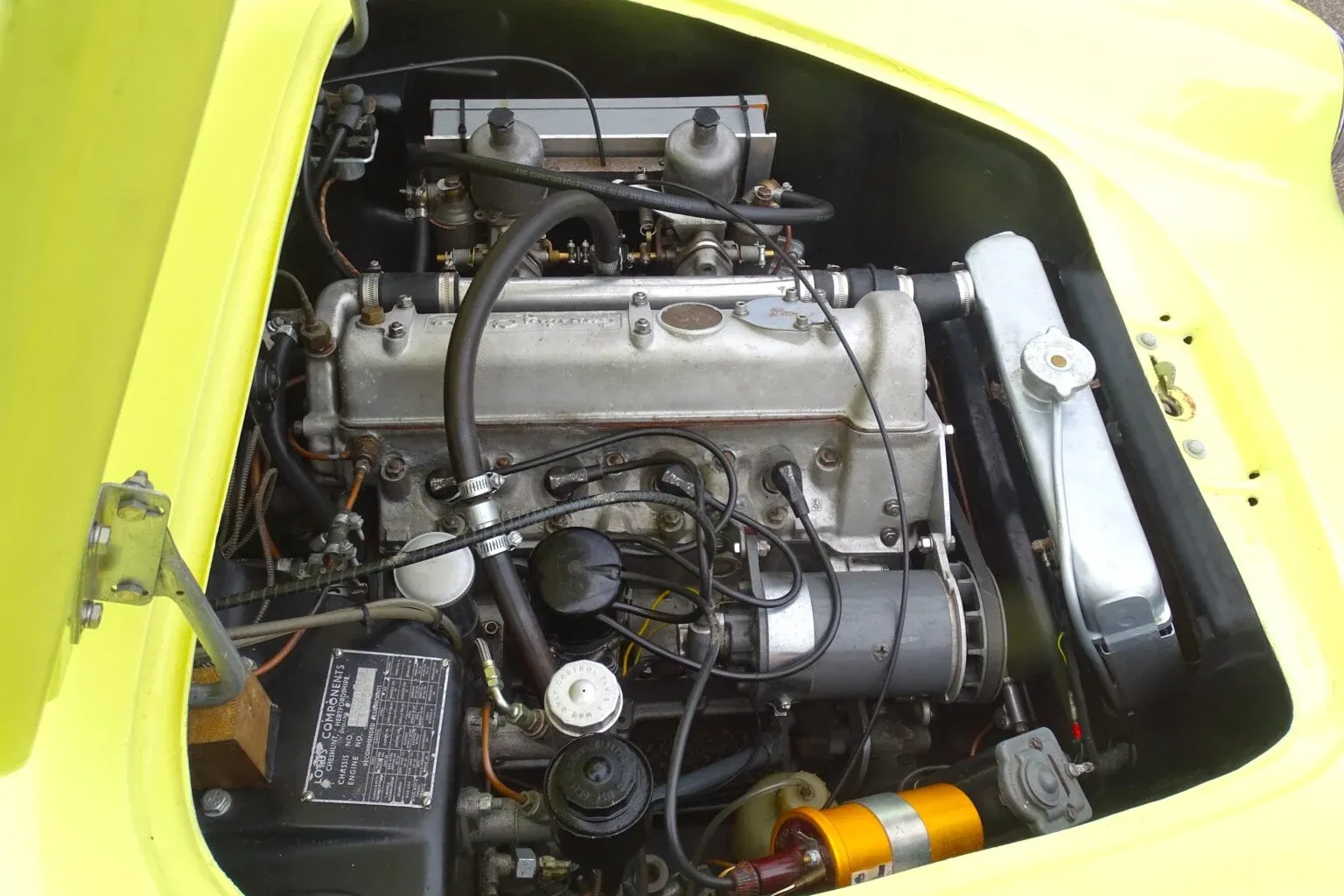
Power came from an all-aluminum Coventry Climax inline-four engine producing 75 horsepower. While the output may seem limited, the Elite’s low weight and streamlined shape enabled impressive performance, including a top speed exceeding 110 mph. Independent suspension at all four corners and four-wheel disc brakes further set it apart from many contemporaries.
The Elite evolved throughout its production run, with improvements introduced in later Series 2 models and performance-focused variants such as the SE, Super 95, and higher-output racing versions. These developments enhanced both drivability and performance, though challenges remained.
Despite its engineering brilliance, the Elite faced issues with build quality and structural durability, particularly in early examples. Production complexities and financial losses on each unit added to the difficulties, limiting its commercial success.

On the track, however, the Elite proved its capabilities. It achieved six consecutive class victories at the 24 Hours of Le Mans from 1959 through 1964, demonstrating the effectiveness of its lightweight philosophy. The model also played a role in launching key racing careers and strengthening Lotus’ reputation in motorsport.
Today, the Lotus Elite is recognized as a landmark in automotive design, embodying a philosophy that prioritized efficiency and innovation over raw power—principles that continue to shape performance car engineering.
Source