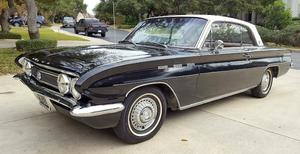
The 1965 Skylark saw the introduction of the Gran Sport option, which eventually became its own model, the Buick GS. Meanwhile, the "base" Skylark continued with engines ranging up to the High Performance 300 cid V8.
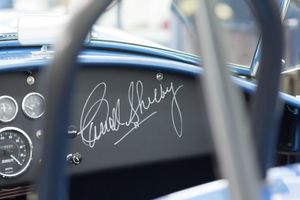
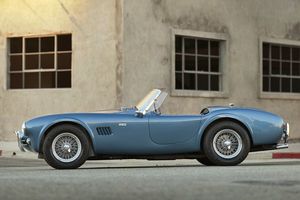
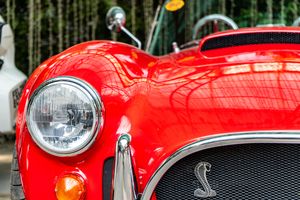
Carroll Shelby had built a dual supercharged 427 Cobra (CSX3015) in 1967, which he pulled from one of the 19 MKIII Competitions. The Cobra was renamed "Super Snake" and in 1968, Road & Track referred to it as "The Cobra to End All Cobras."
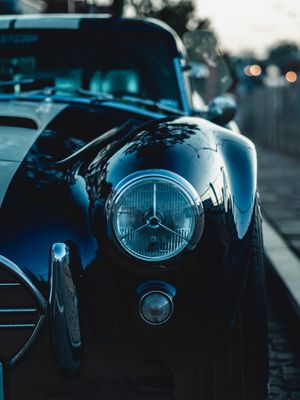
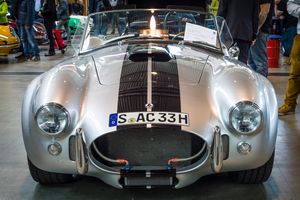
In 1966, the MKIII Cobras were still being produced and raced. The MK III missed homologation for the 1965 season, but private owners continued to race the car and were winning races all the way into the 70s.
Cobra Mark III production began on January 1st, 1965. Two prototypes had been sent to the US in October of 1964. The new car was designed in cooperation with Ford in Detroit.
At the end of 1962, AC's chief engineer completed a major redesign of the car's front end and was able to fit it with rack and pinion steering. The new car entered production early 1963 and was designated MKII.
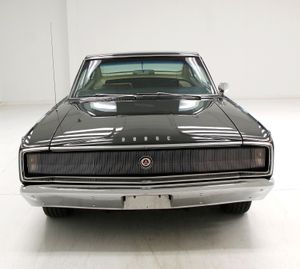
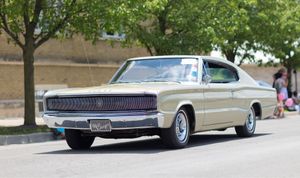
The 1967 Charger remained mostly the same because of good sales the previous year. Production slowed little this year, but was boosted again in ’68 with the introduction of the second generation.
The 1966 Dodge Charger marked its memorable inception. Based on the midsize Coronet, the Charger included hidden headlamps, full-length tail lamps, and an interior that was state-of-the-art with four bucket seats and optional front and rear consoles.
AC, a British specialty manufacturer was rumored to soon go bankrupt, and needed an engine to replace their dated pre-World War II design by BMW. Carroll Shelby airmailed AC a letter asking them if they would build him a car modified to accept a V8 engine.
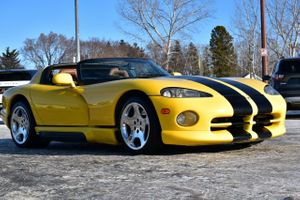
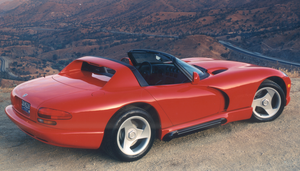
In 1993, the Viper received air conditioning as a dealer-installed option. City gas mileage dropped to 13 mpg but was picked up on hwy now achieving 21 mpg (previously 17).