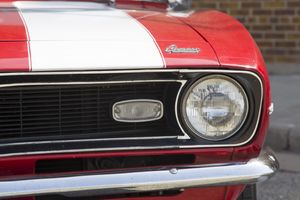
The 1968 Camaro was almost visually identical to the ’67, with the exception of new front and rear side marker lights and vent-less door glass. What really made the ’68 Camaro stand out was big engines, upgraded suspension, and special equipment features.
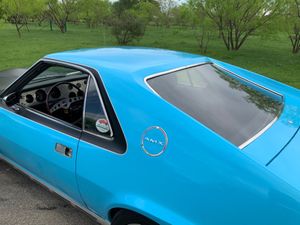
American Motors 1970 AMX advertising headlined, "We made the AMX look tougher this year because it's tougher this year". They were mildly face-lifted resembling the first two model years, but the changes were different enough to be a separate design for 1970.
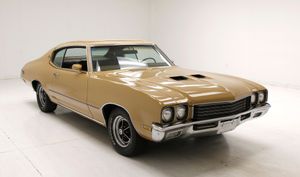
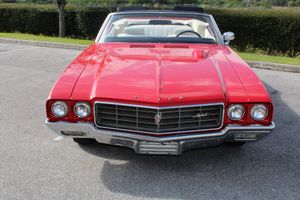
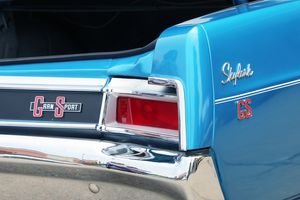
For the 1971 model year, the base Skylark was available only with the inline-6, now only putting out 145 hp (108 kW) due to emission control devices, but in a two-door hardtop coupe body-style (in addition to the previous two- and four-door sedans).
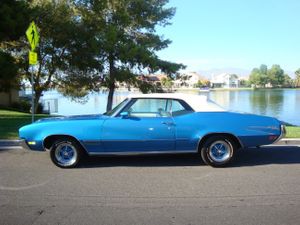
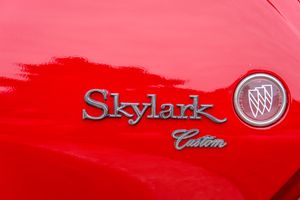
For 1970, the mid-sized Buicks once again received new sheet metal and the Buick Skylark name was moved down another notch, replacing the previous Buick Special.
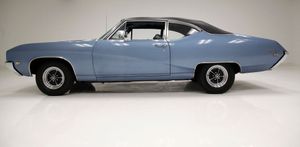
The 1968 model year was one of significant change for the Buick Skylark. Although still using the same basic chassis, all of GM’s mid-sized cars adopted a policy of using two different length wheelbases.
The 1967 Skylark would welcome back the four-door sedan making a total of five Skylark body styles. Beginning with the 1967 model year, only the Skylark two-door sedan would be available with the Buick V6 engine as standard.
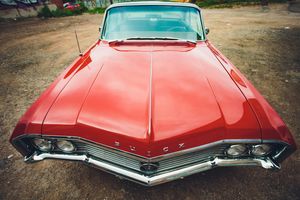
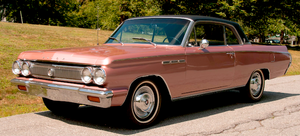
The 1963 Buick Skylarks used the same chassis and wheelbase as the previous 1961 and 1962 models, but adopted new sheet metal that featured boxier styling.
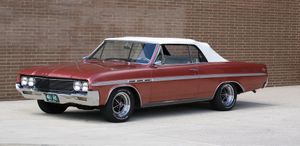
The Skylark had enough sales to merit its own separate line in 1964. Along with the lower-priced Special from which it was derived, the Skylark would move to a new intermediate-size chassis that was shared with the Oldsmobile F-85, Pontiac Tempest, and the new Chevrolet Chevelle.