The 1970 Olds 442 was the pinnacle of performance from Oldsmobile. GM dropped the regulation of no more than 400ci, so Olds responded with the Olds 455 V8 as the standard engine! Output was 365 hp and 500 lb-ft of torque with a 370 hp variant available with the W-30 option.
Knowledge base articles about
1970 Oldsmobile 442
—
3 min read


You might also like

Barn Find Basics: How Rare Cars Stay Hidden for Decades (and How They Surface)
public
–
3 min read
The barn find is the most compelling discovery story in the collector car world. But how do rare cars actually stay hidden for so long — and what separates a genuine find from a money pit?


Numbers Matching: The Phrase That Can Add — or Cost — Thousands
public
–
3 min read
Few phrases in the collector car world carry as much weight — or generate as much confusion — as 'numbers matching.' It can mean the difference between a six-figure sale and a polite pass. Here's what it actually means.

Collector Car Insurance 101: How It Differs From Regular Auto Coverage (and Why It Matters)
public
–
4 min read
Insuring a collector car is nothing like insuring a daily driver. In a total loss situation, the difference between conventional coverage and specialty collector car insurance can be measured in tens of thousands of dollars.

Audi Exclusive Jet Blue 2014 R8 V10 Plus Is A 550-HP Reminder Of What We Lost
public
–
3 min read
An Audi Exclusive Jet Blue Metallic 2014 R8 V10 Plus with 550 naturally aspirated horsepower, carbon fiber trim, PUR forged wheels and a documented service file is live on Cars & Bids - and it is a reminder of everything the supercar world gave up.
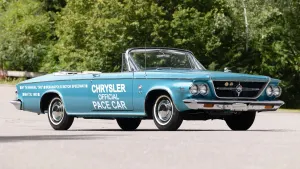
This Award-Winning 1963 Chrysler 300 Pace Setter Convertible Is A No-Reserve Slice Of Indy 500 History
public
–
2 min read
One of 1,861 built, restored over four years at six-figure cost and loaded with AACA hardware, this Pace Car Blue 1963 Chrysler 300 Sport Pace Setter Convertible crosses Broad Arrow's Audrain Auction block with no reserve.

Reserve, Estimate, Provenance: The Auction Listing Details That Decide What You Pay
public
–
8 min read
Most bidders skim the parts of an auction listing that actually set the price. Here is how to read condition grades, provenance paperwork, reserve status, pre-sale estimates, and the fine print that decides what you really pay.