
The collector car market, in your inbox
Classic car news, hand-picked vehicles, and auction coverage. Choose what lands in your inbox.
Every so often a car rolls across the auction block that refuses to fit into any tidy category, and the 2008 Espera Sbarro Katana is exactly that kind of machine. Heading to Artcurial's Le Mans Classic Legend sale with no reserve, this one-off roadster is part design-school thesis, part rolling tech demo, and entirely unlike anything else you will see parked on a show field this year.
The Katana was born at Espera Sbarro, the legendary design school founded by Franco Sbarro, the Swiss-Italian creator known for decades of audacious, rule-breaking concept cars. Rather than a static styling buck, the school turned out a fully functional car. Beneath that dramatic open bodywork sits a 160-horsepower Honda VTEC engine, meaning this is a concept you can actually fire up and drive rather than simply admire behind a velvet rope.
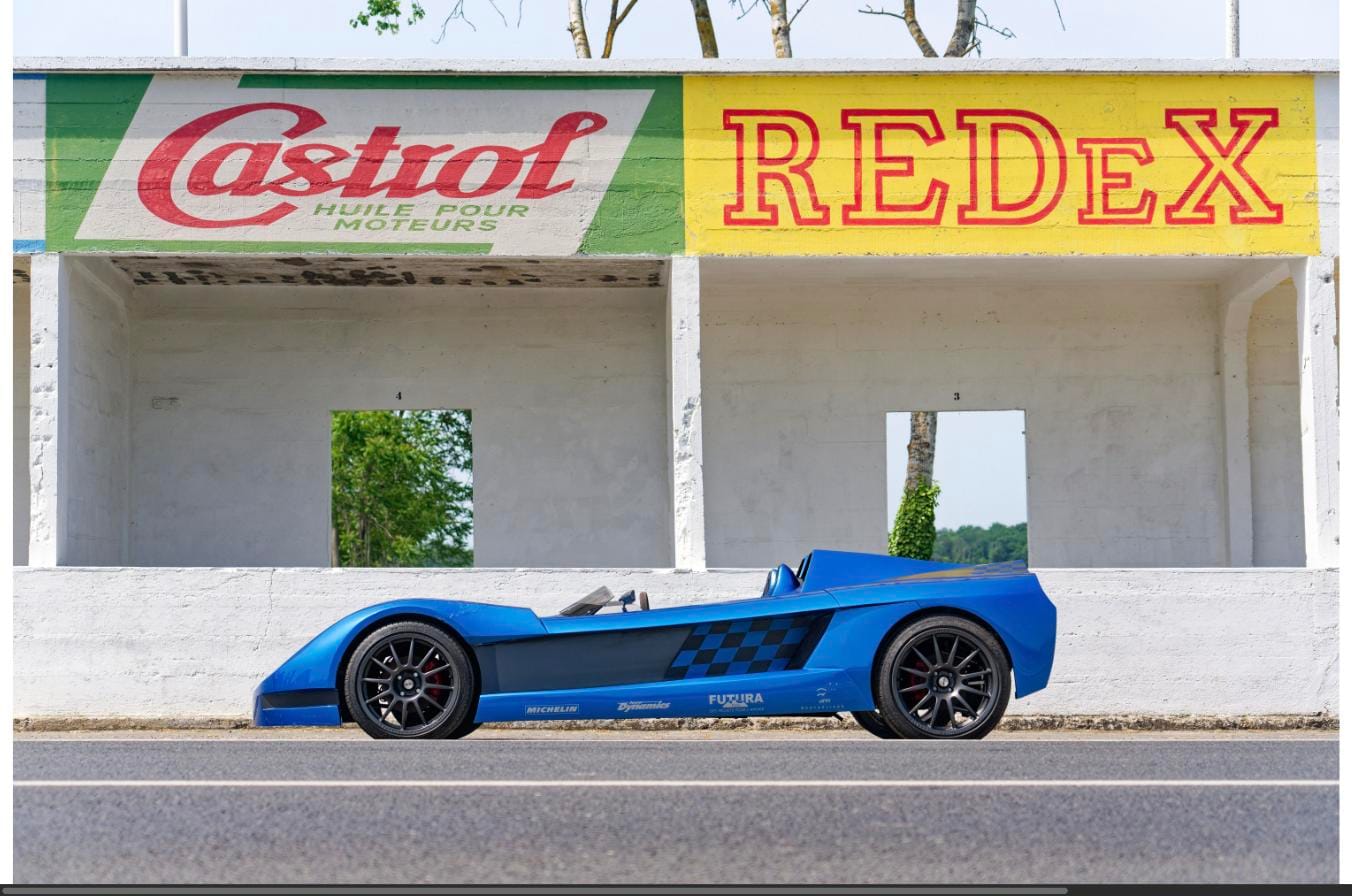
The styling is pure show-car theater. The Katana wears a low, wedge-shaped nose, deeply sculpted flanks, and a windscreen-free cockpit split by a central spine, with twin headrest fairings flowing back over the rear deck. A subtle checkered-flag graphic on the doors nods to the racing world the car was built to celebrate, while staggered black alloys and red brake calipers give it genuine track-day attitude rather than the static stance of a typical motor-show prop.
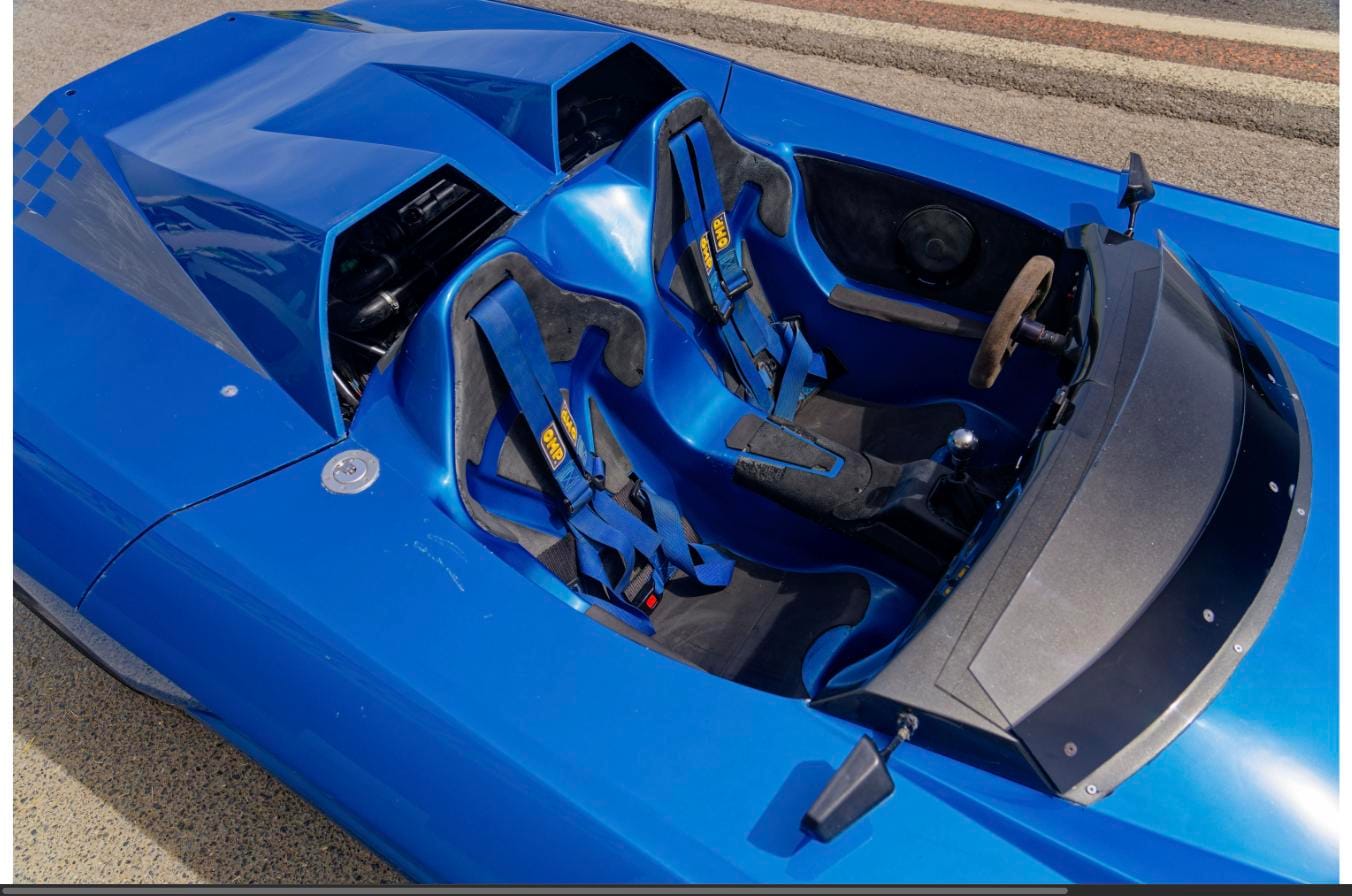
What makes the Katana more than a styling exercise is what lies underneath. A 160-horsepower Honda VTEC four-cylinder gives the lightweight roadster a real powertrain, the kind of high-revving, free-spinning engine that turned a generation of enthusiasts into VTEC believers. In a car this small and stripped-down, that figure promises a genuinely entertaining drive rather than just a pretty silhouette.
The Katana also captured a very specific moment in automotive history. Built in partnership with telecom company Orange, it was designed with a dashboard meant to integrate a smartphone and a hands-free Bluetooth car radio, an early stab at the connected-car future we now take for granted. In 2008 that was genuinely forward-thinking, and it explains why the Katana drew crowds when it debuted at both the Geneva and Paris motor shows that year.
Franco Sbarro's name has long been shorthand for the wonderfully unhinged side of car design, and his Espera Sbarro school exists to push young designers and engineers toward exactly this kind of ambitious, fully realized project. The Katana fits neatly into that tradition: a teaching exercise that ended up as a credible, drivable concept rather than a fragile display model.
Condition-wise, Artcurial is candid about what the next owner is taking on. The car remains in its original, never-restored state, which is a plus for collectors who value originality, but the engine will need to be recommissioned and serviced before it runs again, and the brakes will require an overhaul. It is also not homologated for road use, so its natural habitat is the show field, the concours lawn, or track demonstrations rather than your local back roads.
The headline detail for buyers is the estimate. Artcurial lists the Katana at 30,000 to 50,000 euros, with bidding opening at 18,000 euros and, crucially, no reserve. For a genuine one-off concept car with a running gear pedigree and a real motor-show history, that is remarkably accessible money in a market where ordinary classics routinely sell for far more.
The Katana crosses the block as part of Artcurial's Le Mans Classic Legend sale, the latest in a long line of intriguing machines the auction house brings to market. If your tastes run more toward American iron or celebrity-owned classics, there is plenty more to dig into across our coverage.