
The Holden Commodore Turbo BT1 occupies a unique place in Australian automotive and law enforcement history, blending performance innovation with the practical demands of highway policing during the mid-1980s. Developed as a police-only pursuit specification, the BT1 version of the VL Commodore Turbo was built to meet the growing need for high-speed, long-range interceptor vehicles as Australia transitioned to unleaded fuel.
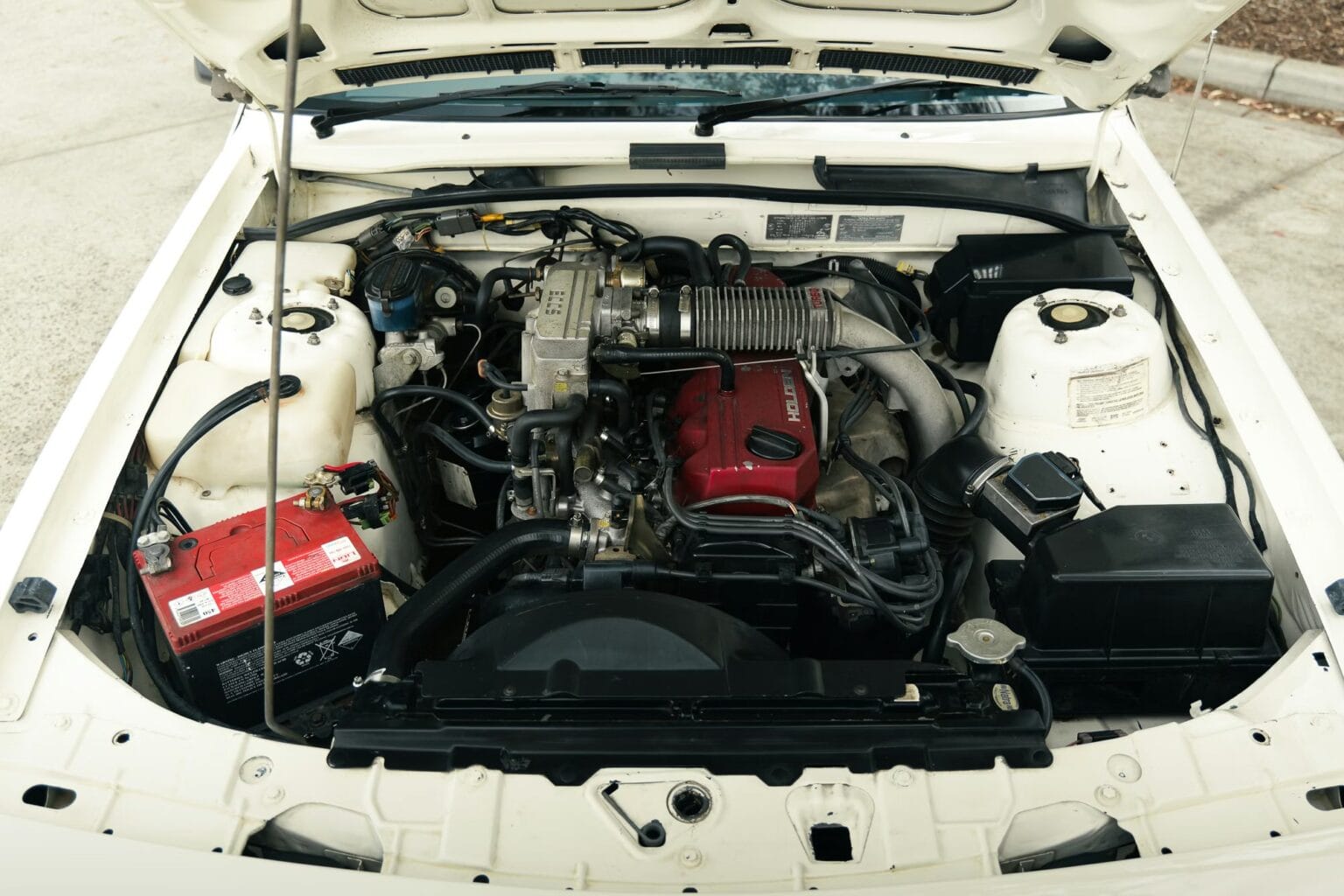
The VL Commodore debuted in February 1986 amid significant regulatory change, as unleaded petrol became mandatory nationwide. Holden required a modern engine solution quickly, and the company turned to Nissan’s 3.0-liter RB30 inline-six, pairing it with electronic fuel injection. Six months later, Holden introduced a turbocharged version, the RB30ET, restoring high-speed capability to the Commodore lineup and creating one of the most capable Australian-built sedans of its era.
The turbocharged RB30ET used a Garrett turbocharger mounted in a water-cooled housing and featured durability-focused engineering changes. Factory output was rated at 150 kilowatts and 296 newton-meters of torque, delivering strong mid-range acceleration and real-world performance that surpassed many local rivals. Period testing recorded 0 to 100 km/h times in the high seven-second range, earning the VL Turbo a sleeper reputation.
Chassis and braking upgrades supported the added performance. Turbo-equipped cars received larger 298 mm front brake discs with finned alloy Girlock calipers, along with the optional FE2 suspension package designed to improve ride control and handling. These components made the VL Turbo especially well-suited to sustained high-speed driving.
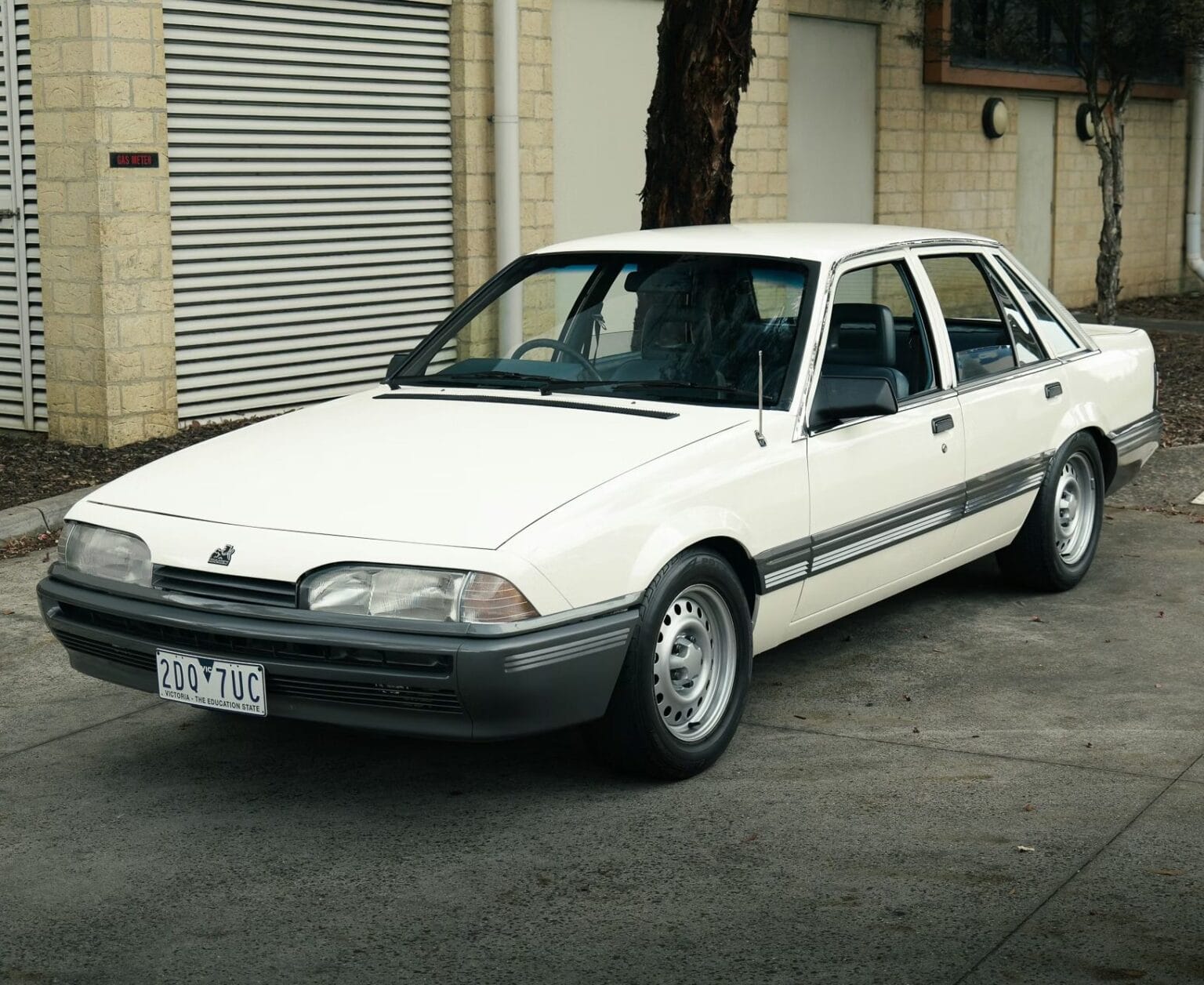
Police pursuit versions were identified internally by the BT1 code on the body and option plate. These vehicles were based on the entry-level SL shell and were never offered for retail sale. Standard features typically included the turbocharged engine, heavy-duty brakes, FE2 suspension, steel wheels, and in some cases long-range fuel tanks. Equipment varied depending on the police jurisdiction, making verified original BT1 examples particularly rare today.
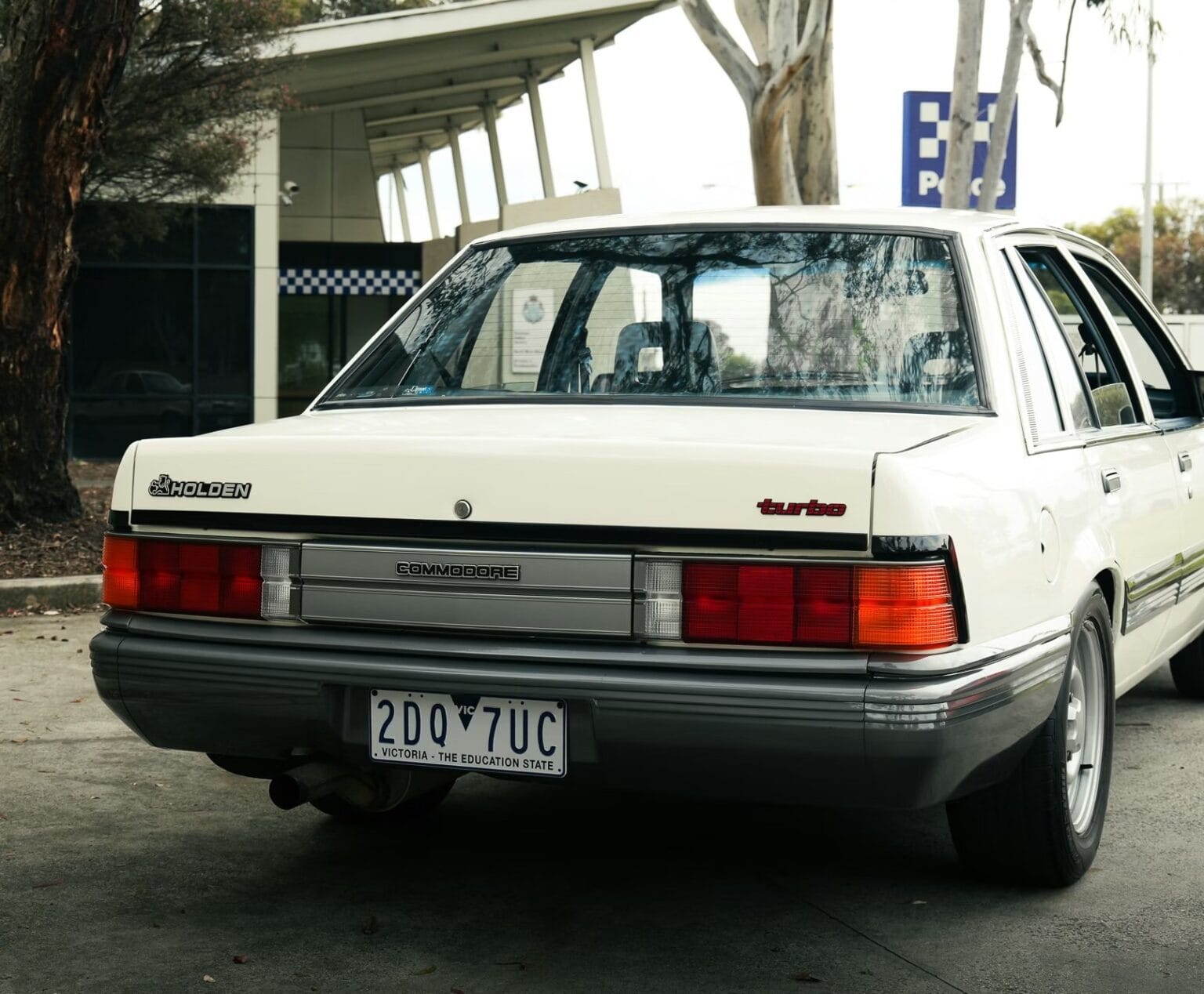
Production of the VL Commodore ran from 1986 to 1988, with more than 151,000 units built overall. The Turbo BT1’s significance lies not in production volume, but in its role as a technological and performance statement during a pivotal moment for Holden.
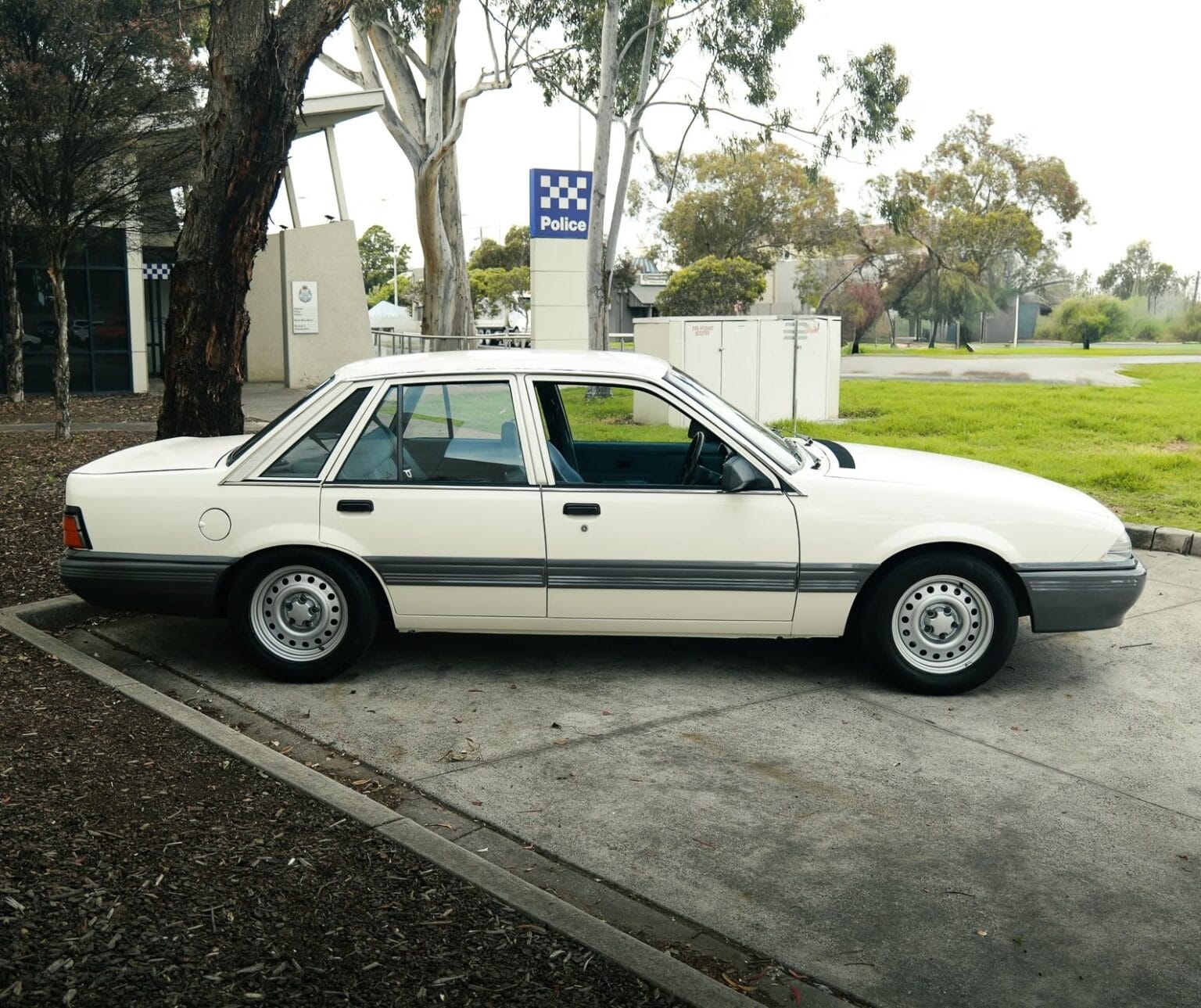
The example shown is an original Turbo BT1 formerly used by the East Sydney Police Department. Finished in white rather than the more common yellow, it retains its turbocharged RB30ET engine paired with a four-speed automatic transmission. Factory equipment includes air conditioning, a heated rear window, cassette stereo, digital clock, and supporting documentation reflecting its service and preservation history.