
The collector car market, in your inbox
Classic car news, hand-picked vehicles, and auction coverage. Choose what lands in your inbox.
A rare 1966 Bill Thomas Cheetah, believed to be the final original example ever built, has surfaced for sale in Scottsdale, Arizona, bringing renewed attention to one of the most unconventional chapters in American motorsports history.
Developed in the early 1960s by Bill Thomas and fabricator Don Edmunds, the Cheetah was conceived as a lightweight, front-mid-engined sports car designed to challenge dominant competitors from Ferrari, Ford, and Shelby. Despite limited resources and the absence of a formal engineering department, the car achieved notable success on the track, earning a reputation for defeating more established rivals.
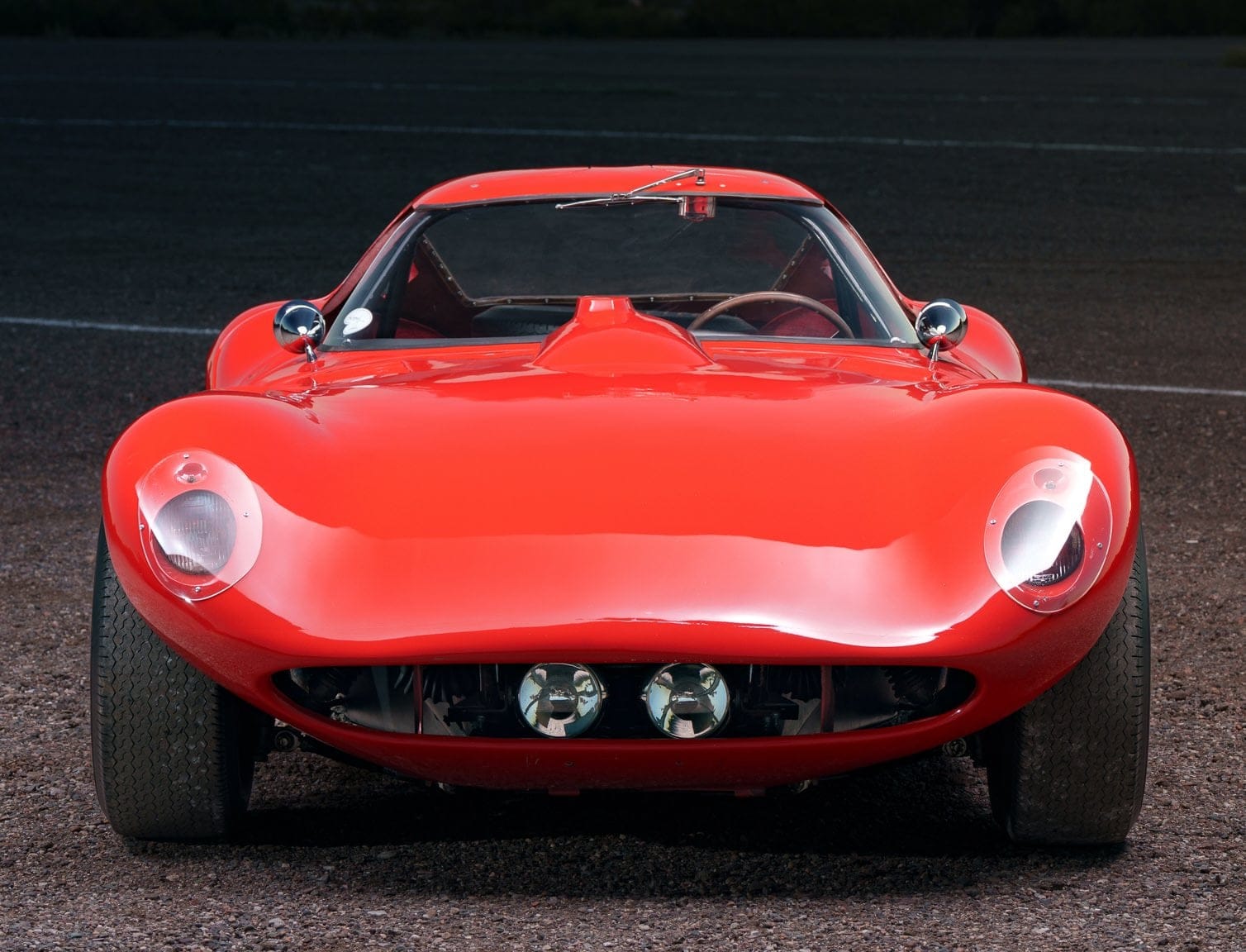
This particular Cheetah began construction in December 1965 following a fire that disrupted Thomas’s Anaheim, California workshop. Commissioned by Eddie King without a drivetrain, it was delivered in April 1966 to his Ohio-based business, where it was registered for street use. King retained ownership until 1968, after which the car passed through only two additional private owners over several decades.
The vehicle’s engineering reflects its unconventional origins. Its chassis layout was initially outlined in chalk on a shop floor, with the cockpit positioned far back to optimize weight distribution. The design places occupants just ahead of the rear axle, while the Chevrolet V8 engine sits deep within the chassis. Power comes from a 377 cubic inch, 6.2-liter V8 paired with a four-speed manual transmission and a Corvette-derived differential.
Finished in red fiberglass, the car features gullwing doors, hand-painted graphics, and magnesium 15-inch wheels. Its interior includes red leather bucket seats, a wood-rimmed steering wheel, and a race-focused instrument setup without a speedometer or odometer.
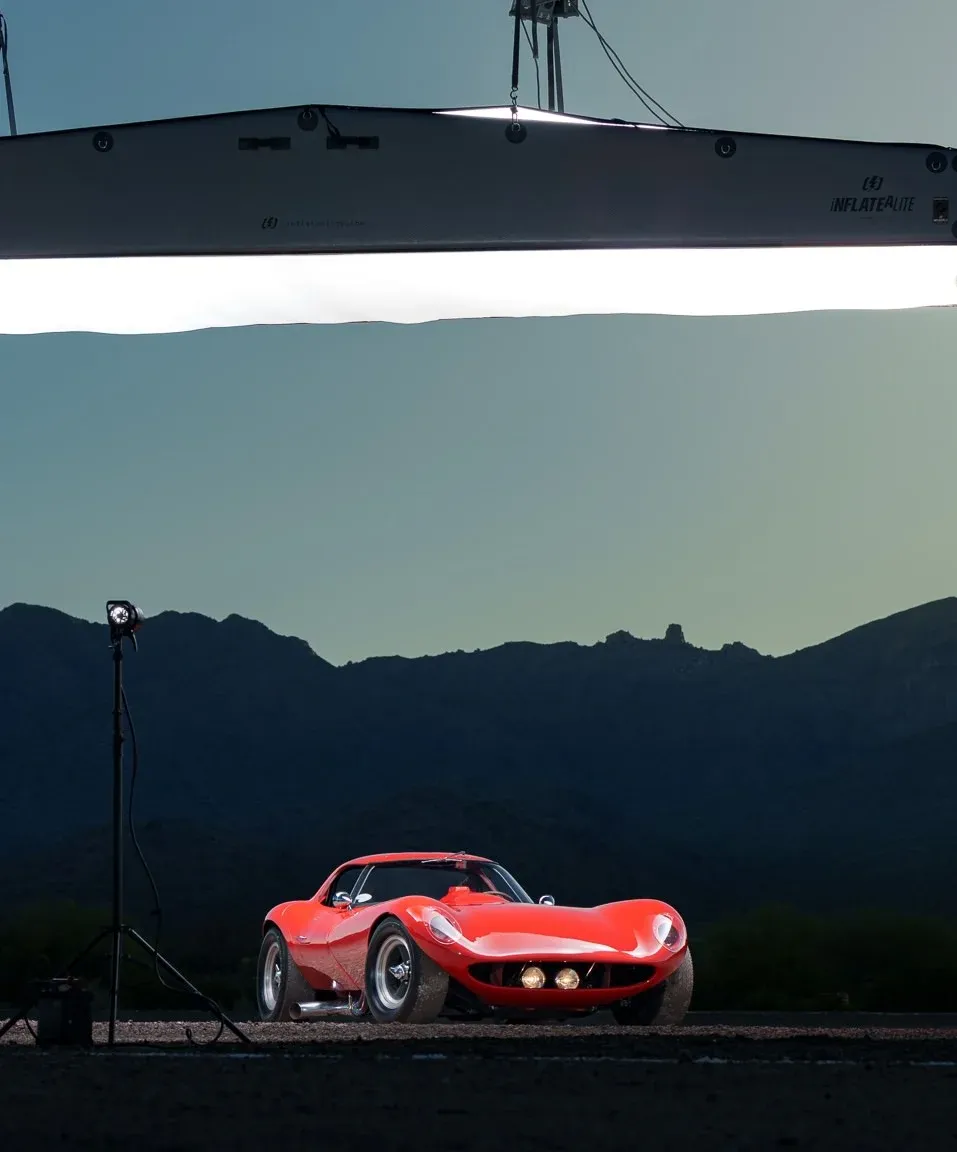
The car underwent a refresh after being acquired in 2007 and has since appeared at major automotive events, including Pebble Beach and The Quail. Its authenticity was later confirmed by Edmunds.
With documented history and limited ownership, the final Cheetah stands as a testament to independent American engineering and a forgotten competitor that once challenged the world’s best on the track.