
The collector car market, in your inbox
Classic car news, hand-picked vehicles, and auction coverage. Choose what lands in your inbox.
In an online car listing, photos are the inspection. Most buyers will never stand next to your car before they decide whether to ask a question, place a bid, or move on. The seller who shows more, shows it clearly, and shows it honestly earns trust, and trust is what turns browsers into bidders. Experienced buyers already know how to read a listing like a pro, scrutinizing what is shown and noticing what is missing. Here are the ten photos every online car listing should include, and how to shoot them well.
Before You Shoot
A few basics make every photo better. Wash and dry the car, clean the interior, and shoot in soft, even light, such as early morning or late afternoon, rather than harsh midday sun. Choose a simple, uncluttered background. Hold the camera at a consistent height, shoot in landscape orientation, and keep the whole car in the frame for exterior shots. Major platforms publish their own guidelines. Cars & Bids, for example, asks for landscape photos in 4:3 or 3:2 proportions with the entire car in frame, so check the requirements of wherever you are listing.
1. Front Three-Quarter View
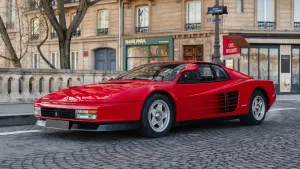
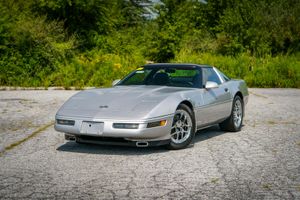
This is the hero shot, and often the first image buyers see. Stand at a front corner and angle the car so the grille, headlights, hood, and side are all visible. Turn the front wheels slightly toward the camera so the wheel faces are visible. Shoot from roughly headlight height or slightly lower, which gives the car presence without distorting its proportions.
2. Rear Three-Quarter View
Show the back corner with the trunk or tailgate, taillights, bumper, and the side profile. This angle reveals the car's stance and the condition of rear panels. Photograph both front and rear three-quarters from each side, since buyers will want to see both sides of the car.
3. Full Side Profiles
Take straight-on photos of the driver's and passenger's sides with the whole car in frame. Profiles show body lines, panel gaps, ride height, and whether the car sits level. They are also where buyers check for waves in the bodywork, so shoot them in even light and avoid reflections that hide or exaggerate surface flaws.
4. Interior Overview
Open the door and shoot the cabin from both the driver's and passenger's sides to show the seats, dash, console, door panels, and carpets. Add dedicated photos of the front seats, rear seats, door panels, and headliner. Interiors reveal how a car was used and cared for, and as our barn find checklist points out, they are where age and neglect often show first.
5. Instrument Cluster With the Odometer
Buyers always want to see the mileage. Take a sharp, well-lit close-up of the gauges with the odometer readable, ideally with the ignition on so the cluster is lit. If the car has warning lights, show them honestly, and if it has a trip meter or hour meter, include it. Clear, legible mileage is one of the simplest ways to remove doubt.
6. Engine Bay
Shoot the engine compartment from several angles: a wide view from the front, a view from each side, and close-ups of areas of interest. Show the fluid reservoirs, battery, wiring, hoses, and any stickers, tags, or stampings. A clean, accurate engine bay photo signals a seller who knows the car, and it lets buyers judge originality. For cars where originality drives value, see our explainer on numbers-matching cars.
7. Undercarriage
Photographing the underside is one of the strongest trust builders, because rust, leaks, and repairs hide there. A lift is ideal, but a set of ramps and a flashlight can work. Capture the frame or subframe, floor pans, rocker panels, exhaust, suspension, and any areas with known repairs. Cars & Bids lists undercarriage photos from multiple angles in its shot list, and most serious buyers will ask for them if they are missing.
8. Wheels and Tires
Photograph all four wheels individually, plus a close-up of the tire sidewalls showing the brand, size, and age markings. Buyers use these shots to judge curb rash, tire condition, and whether the wheels are original or aftermarket. Do not skip the spare if the car has one.
9. Trunk, Cargo Area, and Included Items
Open the trunk or hatch and show the floor, spare tire well, and any original tools, jack, or manuals. Then photograph anything else that comes with the car: extra keys, spare parts, and accessories. Buyers see these as part of the value, and listing them clearly prevents disagreements later.
10. Documentation and Identification
Paperwork is part of the car. Photograph service records, receipts, the owner's manual, build sheets, or the original window sticker if you have them, and include the VIN plate, data tag, or other identification where it adds credibility. Cover or blur private personal information such as names and addresses. Strong paperwork supports a car's story, and it ties directly into how buyers research a classic car's history before they commit.
Photograph the Flaws Too
Every used car has imperfections, and buyers expect to see them. Photograph chips, dents, scratches, cracks, worn upholstery, and repaired areas, and describe them in the text. Hiding flaws damages credibility, while showing them gives bidders and buyers confidence that what they see is what they get. A listing that is open about a few small issues usually performs better than one that appears to be concealing something.
Add Video and Detail Shots If You Can
Platforms such as Cars & Bids recommend a cold-start and walk-around video, and many sellers include extra shots of the roof, mirrors, lights, pedals, and trim. These are not required on every site, but they answer questions before buyers have to ask. The more complete the picture, the less room there is for doubt.
Why This Matters for the Sale
A complete photo set does more than show the car. It reduces the questions a seller has to answer, filters out buyers who would later back out, and helps the right buyers feel comfortable bidding with confidence. Pair it with accurate listing details, honest wording, and a realistic price expectation, and you give the car its best chance. For more help preparing a car for the market, read How To Sell A Classic Car.