
The collector car market, in your inbox
Classic car news, hand-picked vehicles, and auction coverage. Choose what lands in your inbox.
"Muscle car" and "pony car" get used interchangeably, but they describe two different ideas that overlapped during Detroit's golden age. Understanding the distinction helps you talk about these cars accurately and shop for the one that actually fits what you want.
What defines a muscle car
A muscle car is, at its core, an intermediate-size American coupe fitted with a large, powerful V8. The recipe was simple: take a mid-size body and drop in the biggest engine the factory could justify. Cars like the Chevrolet Chevelle SS and the Oldsmobile 442 are textbook examples, built around straight-line performance and big-block torque. The restored 1964 Oldsmobile 442 is a perfect snapshot of that formula, and our roundup of the best Chevelles for sale shows how the segment still resonates today.
What defines a pony car
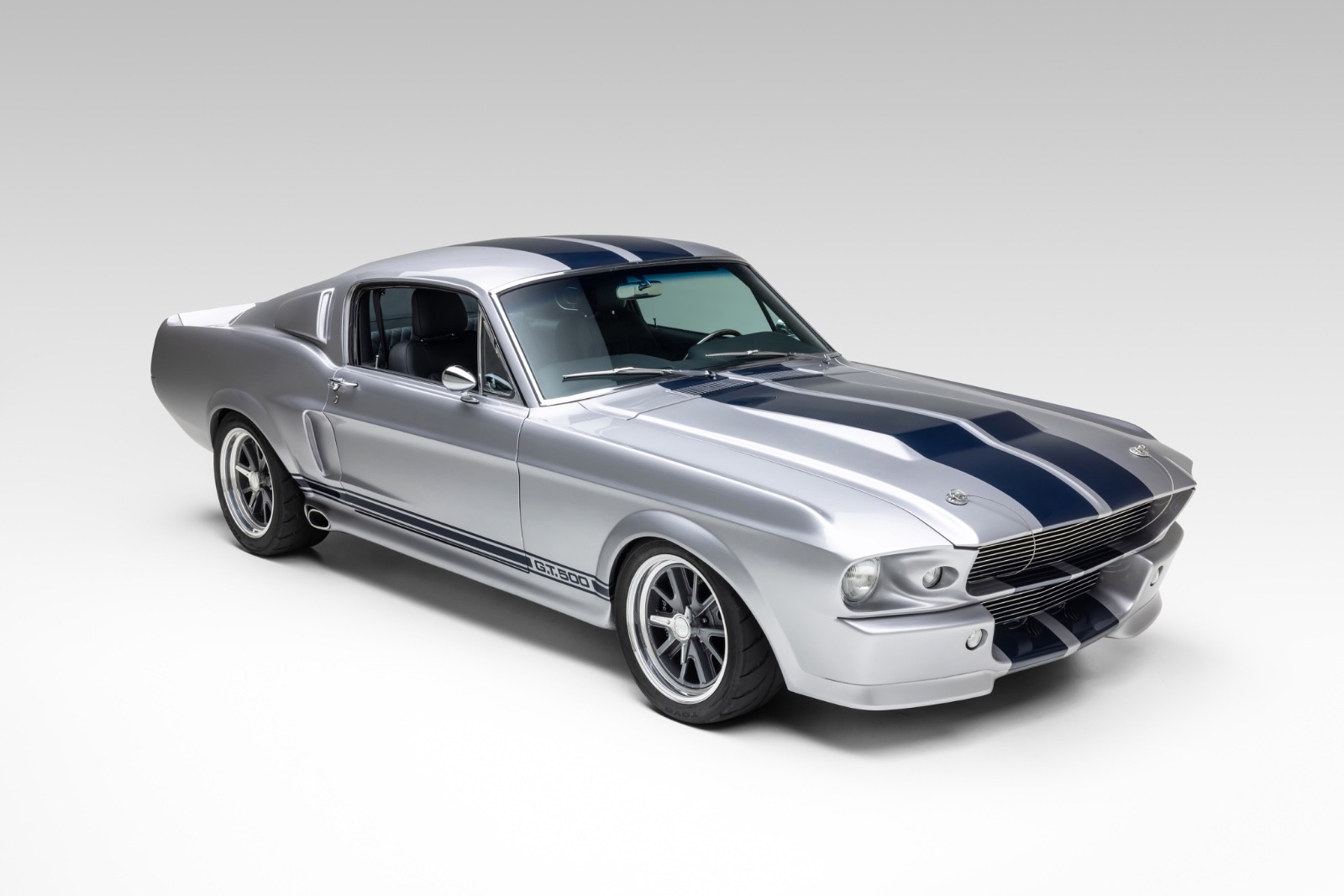
The pony car was born when the Ford Mustang arrived in 1964 and created an entirely new class: a compact, sporty, affordable coupe with a long hood, short deck, and a deep options list. Pony cars prioritized style and personalization, though they could be ordered with serious power. The Shelby GT350 and GT500 took the Mustang to its performance extreme, as seen in this Revology Shelby GT350 and this supercharged Shelby GT500.
Where the two overlap
Here is the wrinkle: a hot pony car can absolutely be a muscle car, and many of the most collectible cars sit in both camps. The labels describe emphasis more than a hard boundary. A big-block intermediate leans muscle, a small sporty coupe leans pony, and the Shelbys live happily in the middle.
Which should you buy
If you want brute torque and presence, a classic muscle car delivers. If you prefer nimbler handling and a car you can personalize, a pony car may suit you better. Either way, it pays to know which collector segments are heating up before you commit, so your enthusiasm and your investment point in the same direction.