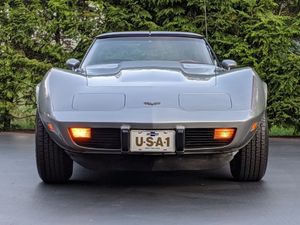
The 1979 Corvette did see some slight changes including a standard AM/FM radio, and increased horsepower in both available engines due to a new dual snorkel intake.
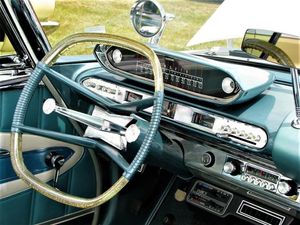
In 1961, the Plymouth Fury lost the iconic tail fins entirely, replaced by a rounded shape with a more rounded front end that Motor Trend once retrospectively compared with "a generation of Japanese sci-fi monsters."
In 1960, the Fury was no longer a high performance sports sedan, but a whole line of top-series Plymouths. Sport Fury took up the Fury performance banner.
In 1959, Plymouth introduced the Sport Fury as its top model, and the Fury as its second from the top model to replace the Plymouth Belvedere at the top of the regular Plymouth line-up.
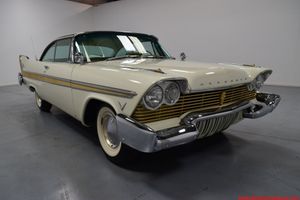
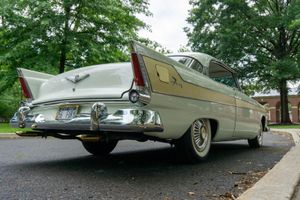
For 1957, the Forward Look arrived, and suddenly it was 1960 with torsion-bar front suspension and TorqueFlite automatics. The '57 Plymouth was so new and striking that the advertisements proclaimed, "Suddenly it's 1960!"
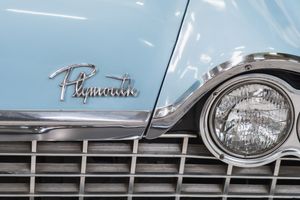
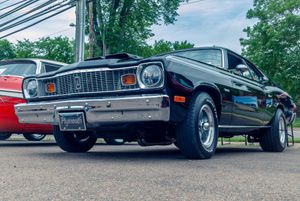
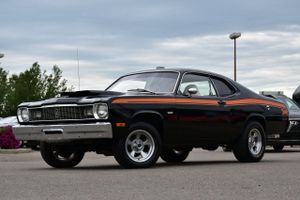
The Plymouth Fury was produced by the Plymouth division of the Chrysler Corporation from 1956 to 1989. The Fury was introduced as a sporty, premium-priced model designed to showcase the line, with the intent to draw consumers into showrooms.
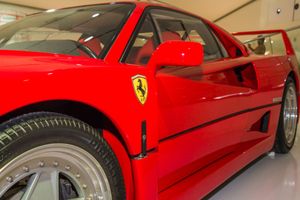
As early as 1984, the Maranello factory had begun developing a new model of the 288 GTO intended to compete against the Porsche 959 in FIA Group B. However the FIA brought an end to the Group B category for the 1986 season.