
The AMC Eagle entered the market in 1979 as something the auto industry had not yet learned to name. Blending passenger-car comfort with raised ride height and permanent four-wheel drive, the Eagle effectively created what would later become known as the crossover segment, years before the concept gained mainstream acceptance.
The idea behind the Eagle came from Roy Lunn, an engineer with an unconventional résumé that included serving as chief engineer for the Ford GT40 program. Working under severe financial constraints at American Motors Corporation, Lunn sought to combine Jeep-derived four-wheel-drive capability with an existing unibody passenger car platform. The result was a vehicle that offered car-like ride quality while delivering all-weather traction uncommon for its era.
Built on the AMC Concord platform, the Eagle launched for the 1980 model year in sedan, coupe, and wagon body styles. A raised suspension, reinforced mounting points, and a full-time four-wheel-drive system developed with Ferguson Formula gave the Eagle a unique driving character. Unlike truck-based systems that required manual engagement, the Eagle’s viscous-coupling center differential automatically distributed torque without driver input.
Power initially came from AMC’s 4.2-liter inline-six, chosen for durability and low-end torque rather than performance. Production continued through 1988, with sales strongest in northern and mountainous regions where winter traction outweighed concerns over fuel economy or acceleration. While period reviewers struggled to classify the Eagle, that ambiguity ultimately limited its commercial success.
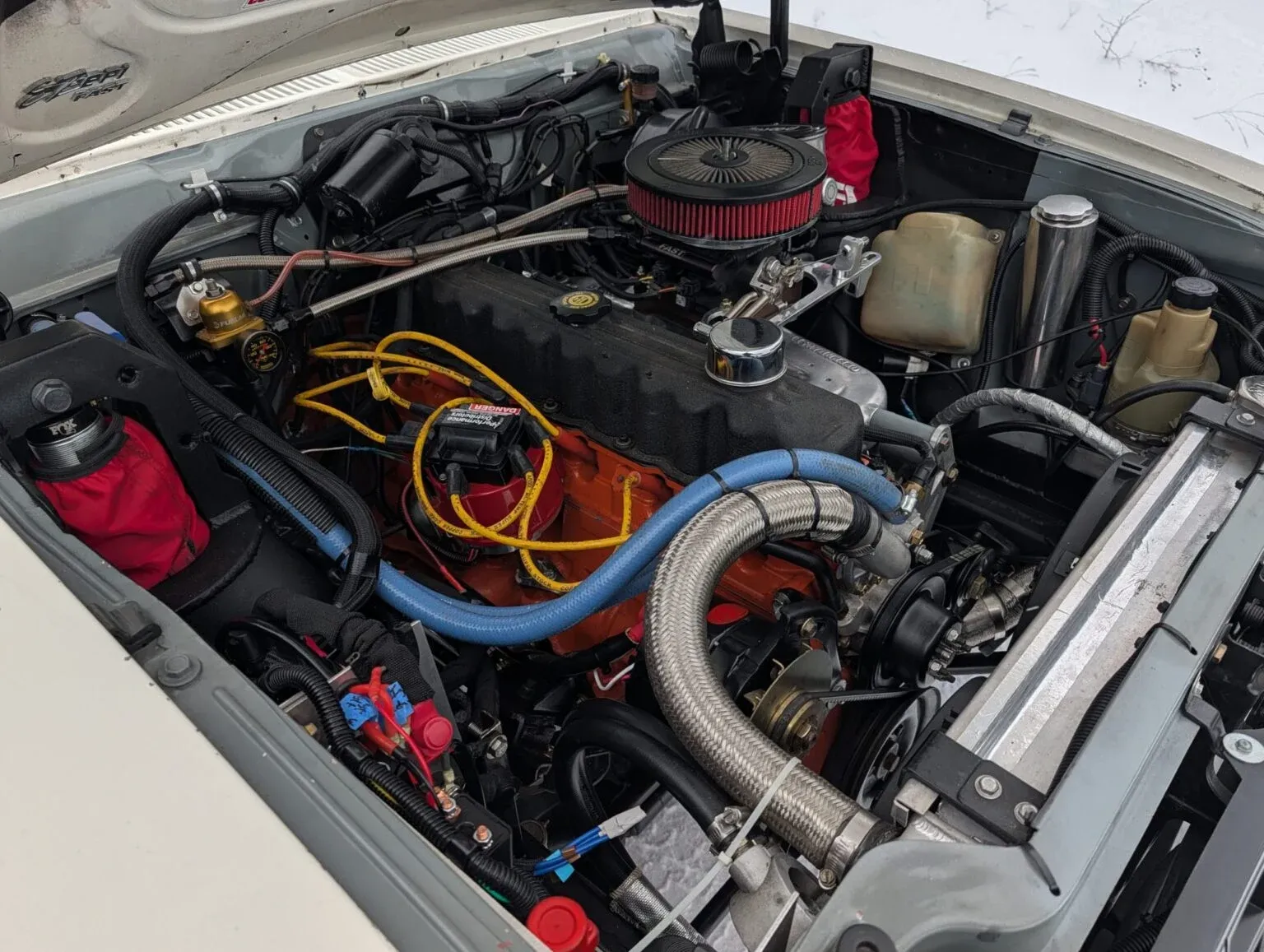
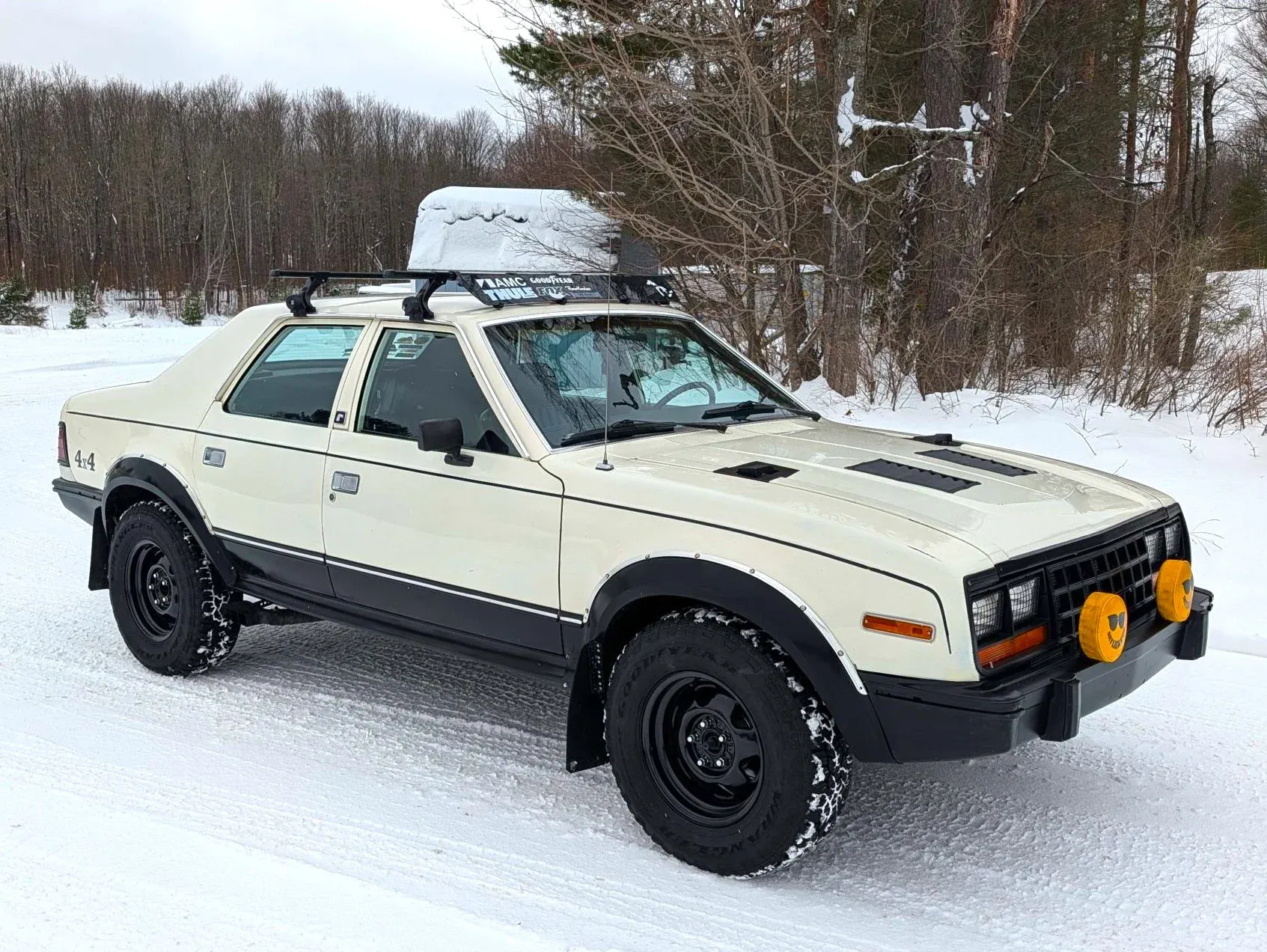
Decades later, the Eagle’s influence is unmistakable, particularly in modified examples like a 1985 model now offered for sale in Beulah, Michigan. This example has been extensively upgraded, replacing the original engine with a Jeep Cherokee-sourced inline-six enlarged to 4.6 liters. Power is routed through a five-speed manual transmission and a modern transfer case, delivering improved drivability and performance over the factory setup.
Additional upgrades include revised suspension components, four-wheel disc brakes, electric power steering, and all-terrain tires, transforming the Eagle into a more capable and modernized interpretation of the original concept. Offered with a clean Michigan title, the vehicle serves as a reminder that while the market may not have been ready in the 1980s, the AMC Eagle arrived with an idea that would eventually reshape the automotive landscape.
Via Bring a Trailer