
The collector car market, in your inbox
Classic car news, hand-picked vehicles, and auction coverage. Choose what lands in your inbox.
The collector car market is no longer moving as one unified asset class.
For years, broad market headlines painted a simple picture: values were rising, auction records were falling, and demand appeared endless. Today's market is far more nuanced. Some segments continue to attract fierce competition while others have cooled noticeably. Certain vehicles are appreciating because of changing demographics, while others are struggling to attract the next generation of buyers.
For collectors, dealers, auction houses, and enthusiasts, understanding these shifts is becoming increasingly important. The strongest opportunities are often found not in the most expensive vehicles, but in recognizing where buyer attention is moving before the rest of the market catches up.
Here are some of the most important trends shaping the collector car market today.
Younger Buyers Continue To Reshape Demand
One of the biggest forces influencing the hobby is generational change.
Baby Boomers drove the collector market for decades, helping establish many of today's blue-chip segments. Hemi Mopars, Tri-Five Chevrolets, and other iconic American classics benefited from buyers who wanted the cars they admired in their youth.
That dynamic is changing.
Generation X and older Millennials are increasingly influencing the market, bringing different preferences and experiences. Many of today's active buyers grew up around Fox Body Mustangs, Dodge Vipers, air-cooled Porsches, Japanese performance cars, and analog sports cars from the 1980s, 1990s, and early 2000s.
As a result, vehicles once viewed as used performance cars are now being recognized as legitimate collector assets.
The shift does not mean traditional muscle cars are disappearing. Rather, the market is broadening as new generations establish their own definitions of collectibility.
Analog Driving Experiences Remain Highly Desirable
As modern vehicles become more digital, automated, and software-driven, many collectors are placing a premium on analog driving experiences.
Manual transmissions, hydraulic steering, naturally aspirated engines, and simpler mechanical systems continue to attract enthusiasts seeking a connection to the driving experience that is becoming increasingly rare in new vehicles.
This trend helps explain continued demand for vehicles such as:
- Air-cooled Porsche 911s
- Dodge Vipers
- Ferrari models from the 1990s and early 2000s
- BMW M cars from the E30, E36, and E46 eras
- First-generation Acura NSXs
Collectors are increasingly viewing these vehicles as representatives of a disappearing era in automotive history.
Buyers Are Becoming More Selective
One of the most noticeable changes in the market is the growing gap between exceptional vehicles and average examples.
While high-quality vehicles continue to command strong prices, buyers are showing greater discipline than they did during the peak years following the pandemic.
Vehicles with strong documentation, known ownership histories, original components, and high-quality presentations frequently outperform expectations.
At the same time, cars with incomplete records, questionable modifications, or restoration concerns often struggle to generate the same enthusiasm.
The market is not necessarily weaker. It is simply more selective.
This trend rewards sellers who invest in documentation and transparency while creating opportunities for informed buyers willing to perform thorough research.
Trucks And SUVs Have Earned Permanent Collector Status
Not long ago, collector vehicles were generally expected to be sports cars, muscle cars, or luxury classics.
That assumption no longer reflects today's market.
Classic pickups, vintage SUVs, and off-road vehicles have become established segments within the collector space.
Examples include:
- Early Ford Broncos
- Chevrolet K5 Blazers
- Toyota Land Cruisers
- International Scouts
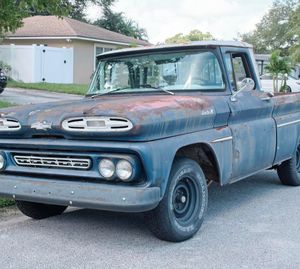
- Square-body Chevrolet trucks
- GMT400 pickups
What began as a trend has evolved into a mature segment with dedicated buyers, specialists, and restoration shops.
Many of these vehicles combine nostalgia, usability, and lifestyle appeal in ways traditional collector cars often cannot.
Originality Continues To Command Premiums
The collector market has become increasingly sophisticated when evaluating originality.
While high-quality restorations remain desirable, original vehicles with factory finishes, documented histories, and unmodified components are attracting significant attention.
Collectors often view originality as something that cannot be recreated once it has been lost.
As a result, survivor vehicles continue to generate strong interest, particularly when supported by documentation and long-term ownership histories.
This does not mean restored vehicles lack value. It simply reflects a growing appreciation for authenticity within many segments of the hobby.
Market Intelligence Is Becoming More Valuable
Information is increasingly becoming a competitive advantage.
Buyers today have access to more auction results, valuation data, inventory information, and market analysis than ever before.
That transparency is changing purchasing behavior.
Rather than relying solely on instinct or emotion, many collectors are comparing recent sales, reviewing auction histories, and studying market trends before making significant purchases.
The result is a more informed marketplace where pricing is scrutinized and buyers often arrive with a clearer understanding of value.
For dealers, auction houses, and collectors alike, the ability to interpret data may become just as important as access to inventory.
The Bottom Line
The collector car market remains healthy, but it is evolving.
Generational shifts are creating demand for different vehicles. Analog driving experiences continue to gain importance. Buyers are becoming more selective. Trucks and SUVs have secured their place in the hobby. Originality remains valuable, and market intelligence is playing a larger role in buying decisions.
Perhaps most importantly, today's market rewards knowledge.
The collectors who understand where demand is moving, how buyers are behaving, and which vehicles are attracting attention are often in the best position to identify opportunities before they become obvious to everyone else.
In a market that is becoming increasingly data-driven, understanding the trends may be just as valuable as owning the vehicles themselves.