
The collector car market, in your inbox
Classic car news, hand-picked vehicles, and auction coverage. Choose what lands in your inbox.
Bristol Cars, the British marque as famous for its secrecy as its aviation-inspired engineering, has re-emerged from a long silence, and it chose to mark its comeback by finishing a job it started more than two decades ago. At Salon Privé at Blenheim Palace this week, the newly revived company unveiled a completed Bristol Fighter, built from a chassis that had sat unused since production quietly ended in 2011.
The Fighter isn't a new design dusted off for nostalgia's sake. It's the same low-slung, gull-winged two-seater Bristol conceived in the early 2000s, powered by an 8.0-liter V10 that sends 525 horsepower to the rear wheels in standard form, or 600 horsepower in the uprated version Bristol once offered to buyers willing to pay for it. The company claims a top speed of 210 mph, a remarkable figure for a hand-built British GT car designed before smartphones existed.
Rather than starting a new model program from scratch, owner and director Paul King chose to treat the Fighter as unfinished business. Four more original chassis, along with the drawings and parts needed to complete them, still exist, and Bristol says they will be built to order for collectors over the coming months. Buyers will be able to specify right- or left-hand drive, and cars are eligible for export to the United States under the Show or Display exemption, a detail that matters given how few Fighters exist. By Bristol's own estimate, roughly 15 cars survive worldwide, most tucked away in long-term collections.
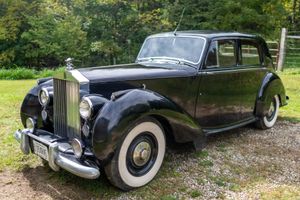
Bristol's history helps explain why finishing the Fighter carries more weight than simply reviving a badge. Founded in 1945 as an offshoot of the Bristol Aeroplane Company, the marque built the Bristol 400 the following year and spent decades producing hand-finished cars for a small, loyal clientele rather than chasing volume. Bristol-derived engines even found their way into other coachbuilt machines of the era, including the AC Ace, and rarities from that crossover still surface at auction today. That approach eventually caught up with the company: Bristol entered administration in 2011, and although Kamkorp Autokraft acquired the intellectual property and briefly showed the Bristol Bullet in 2016, no series production ever followed.
The new ownership is leaning on that history rather than distancing itself from it. Richard Hackett, who worked closely with longtime Bristol boss Tony Crook during the era when the Fighter was originally developed, has returned as chairman. Manufacturing will happen in the UK through a partnership with an outside manufacturing group, giving Bristol the low-volume production expertise it will need if it wants to build anything beyond these final five Fighters. It's a very different approach from the last time Bristol tried to reintroduce itself to enthusiasts, when the brand's return leaned on a borrowed American V8 rather than finishing what it had already started.
The timing isn't an accident, either. 2026 marks 80 years since the Bristol 400 debuted, and Salon Privé gave the brand a stage to show the Fighter alongside cars spanning its history in a dedicated Bristol class. It's a fitting way to mark the anniversary: not with a concept car promising some distant future, but with a supercar that Bristol always intended to build and never quite got the chance to finish.
Whether Bristol becomes anything more than a boutique builder finishing old business remains to be seen. But for a marque that spent a decade and a half as a ghost story in British car culture, with surviving examples occasionally turning up in surprising places, simply having a completed, driveable Fighter in the metal, with four more on the way, is itself the headline.