
The collector car market, in your inbox
Classic car news, hand-picked vehicles, and auction coverage. Choose what lands in your inbox.
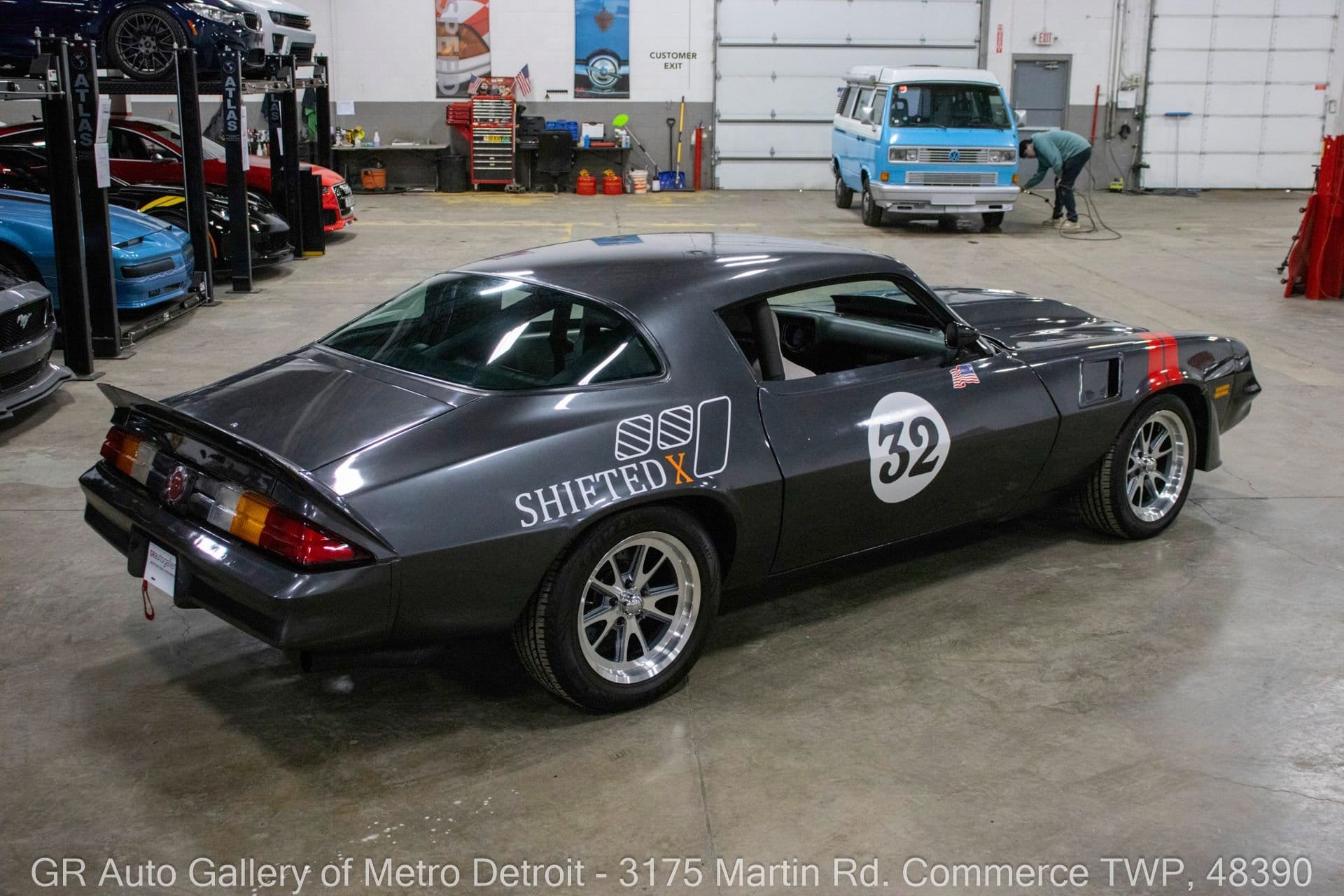
A heavily modified 1978 Chevrolet Camaro is drawing attention as a purpose-built race car, highlighting the enduring appeal of second-generation Camaros among performance enthusiasts.
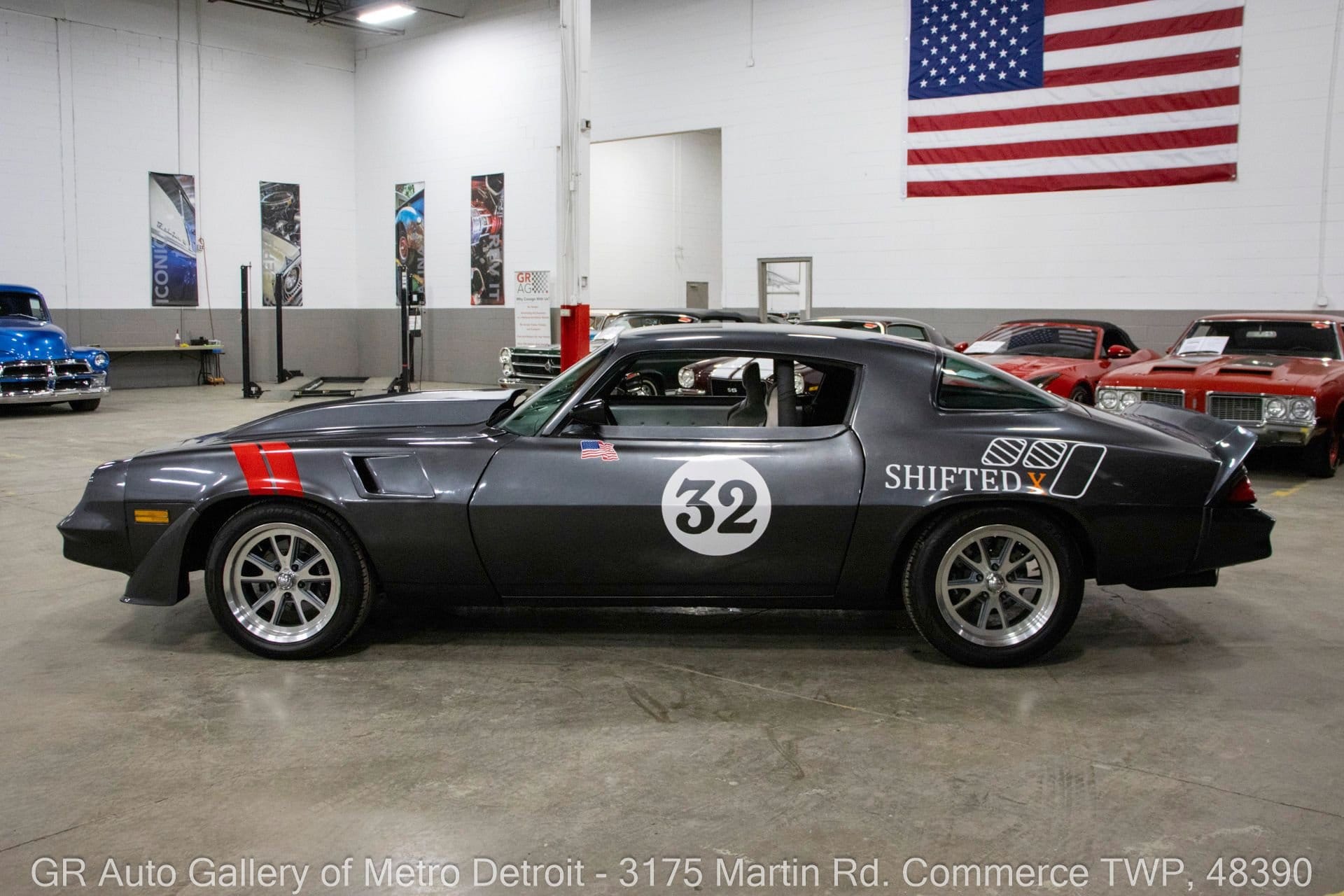
Finished in Graphite Gray with a white and gray interior, the vehicle reflects a no-compromise approach to racing, with just 2,815 miles recorded since its build completion. Originally part of the Camaro generation produced from 1970 through 1981, the 1978 model year marked a period when Chevrolet refined the platform’s styling and handling. While factory performance faced increasing limitations during that era, modified builds such as this example demonstrate the platform’s potential when freed from those constraints.
At the core of the car is a reworked V-8 engine. Originally based on a 350 cubic-inch configuration, it has been de-stroked to 333 cubic inches and produces 411 horsepower at the rear wheels. The engine is paired with a four-speed Borg Warner Super T-10 manual transmission, emphasizing driver engagement and track performance. Internals include a forged crankshaft, billet main caps, and performance cylinder heads, along with a custom carburetor and specialized oiling system designed for sustained high-performance use.
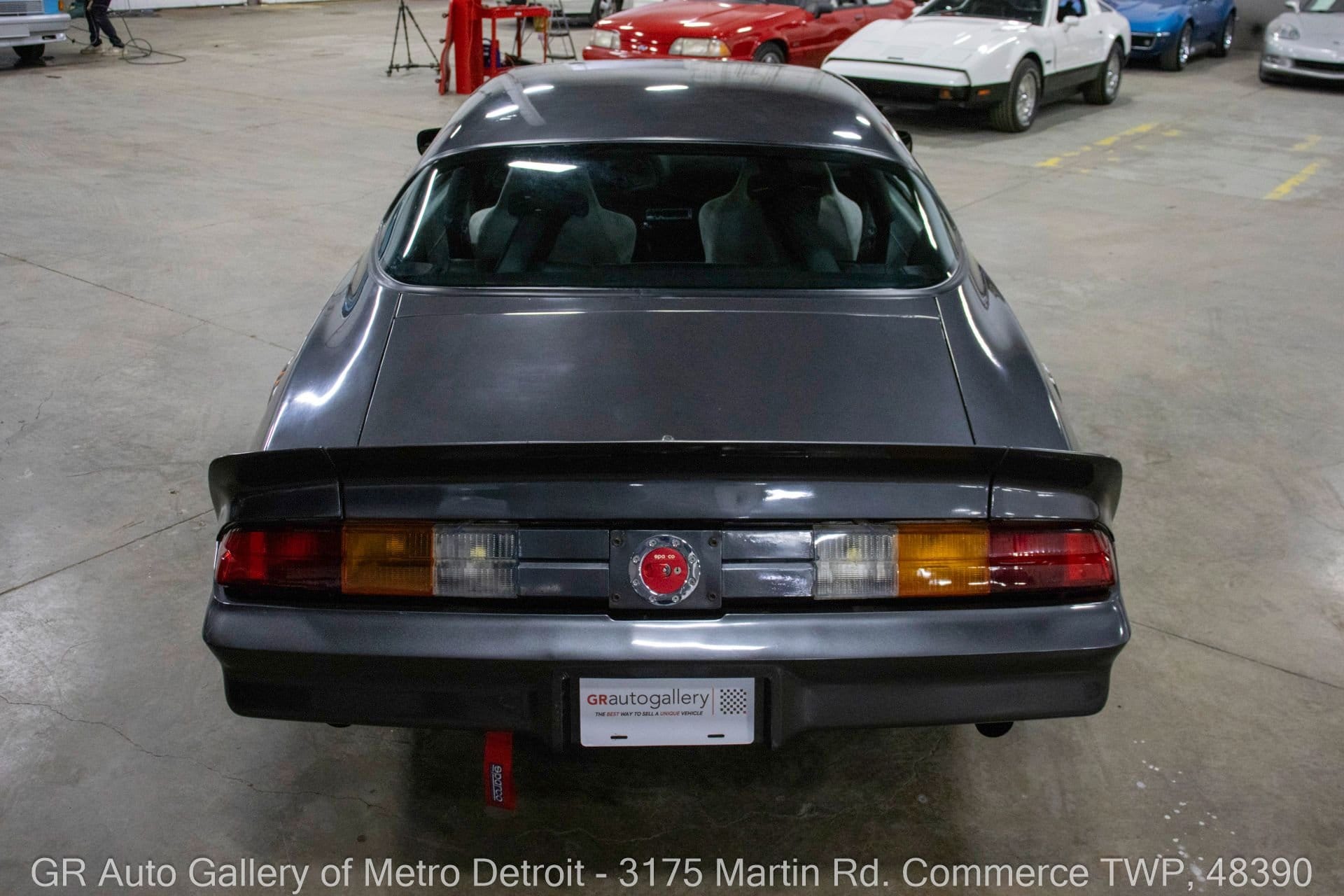
The Camaro’s construction incorporates lightweight materials and race-focused modifications. A carbon fiber lift-off hood and composite panels reduce weight, while the absence of windows further reflects its track-oriented design. Inside, the cabin is outfitted with Italian suede racing seats, a five-point harness system, and a performance-focused pedal assembly with adjustable braking bias. Additional features include a racing steering wheel, digital gauges, and supplemental instrumentation integrated into the dashboard.
The suspension and braking systems have also been upgraded to support competitive driving conditions. Recent maintenance includes fluid changes to ensure readiness for continued use.
Despite its race-ready configuration, the vehicle carries a street-legal title, allowing for broader usability beyond closed circuits. The build underscores how classic muscle car platforms continue to evolve through customization, offering modern performance capabilities while retaining their original identity. See it here.