
A rare 1970 Abarth 1000 Biposto Corsa SE 018, known as the “Millino,” is gaining renewed attention as a distinctive example of the brand’s focus on compact, high-performance racing machines.
Introduced ahead of the 1970 racing season, the SE 018 represented a significant evolution in Abarth’s small-displacement competition philosophy. Developed for drivers transitioning from touring cars and karting into more advanced prototype and hillclimb racing, the model emphasized agility and responsiveness over raw size or power.
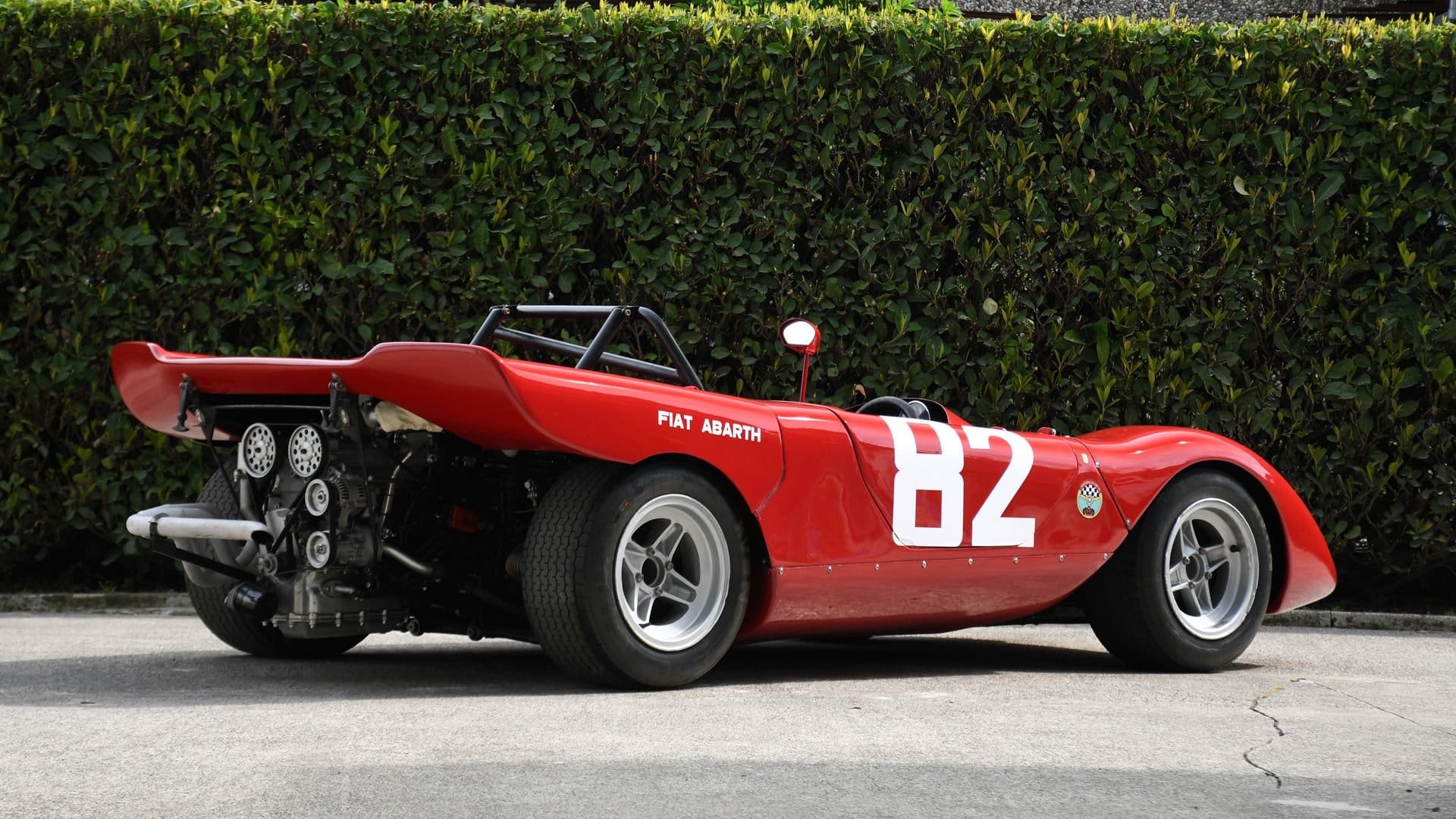
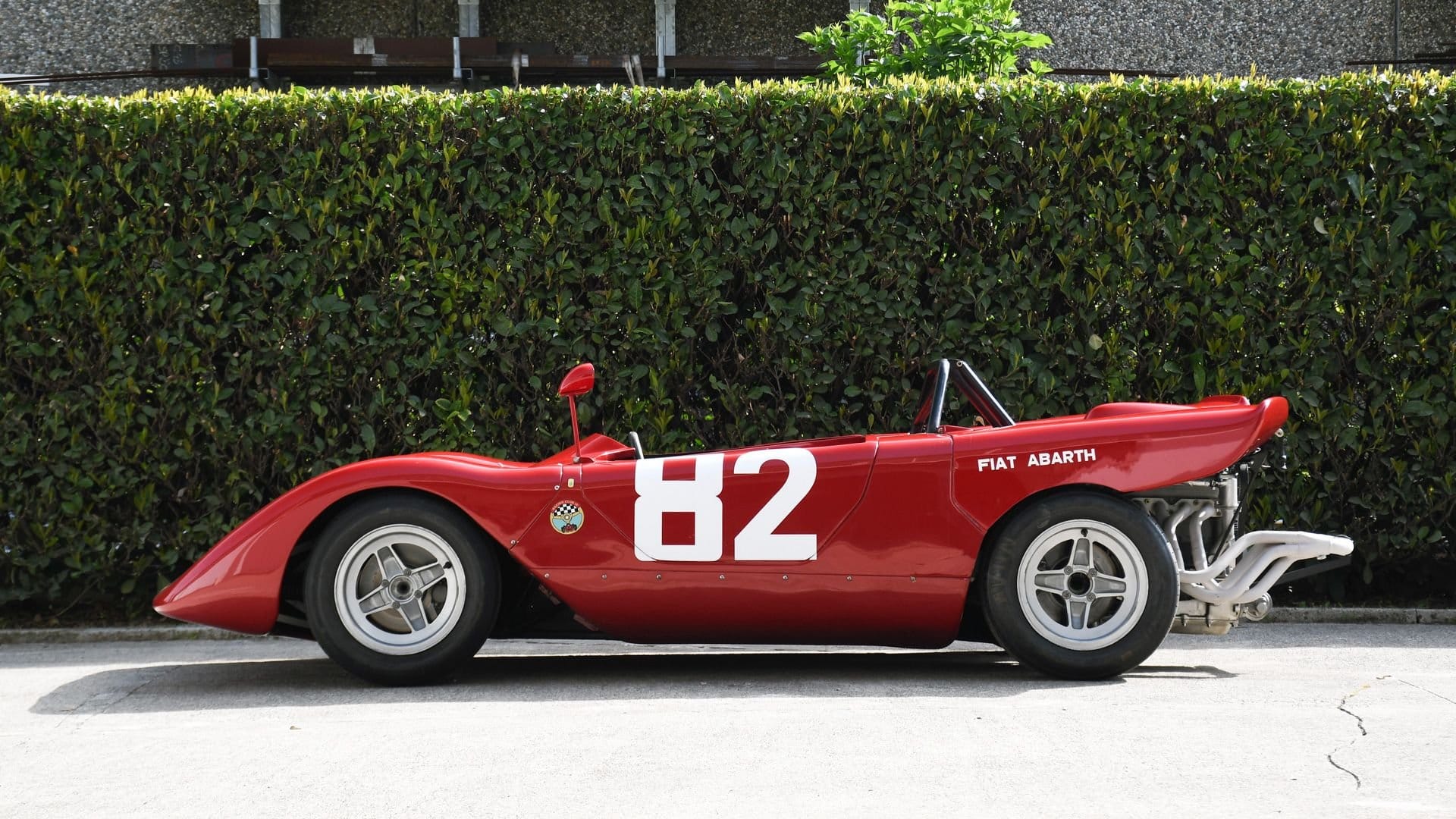
The car debuted publicly at a competition auto exhibition in Turin in early 1970, showcasing a dramatically different design approach. While it retained elements of earlier Abarth engineering, including a steel-tube spaceframe and Fiat-based twin-cam architecture, the SE 018 moved away from the mid-engine configuration of its predecessors. Instead, it featured a rear-mounted 982-cc four-cylinder engine positioned behind the axle. Producing approximately 120 horsepower at high revs and paired with a total weight of just 400 kilograms, the compact prototype was engineered for precision handling on tight and technical courses.
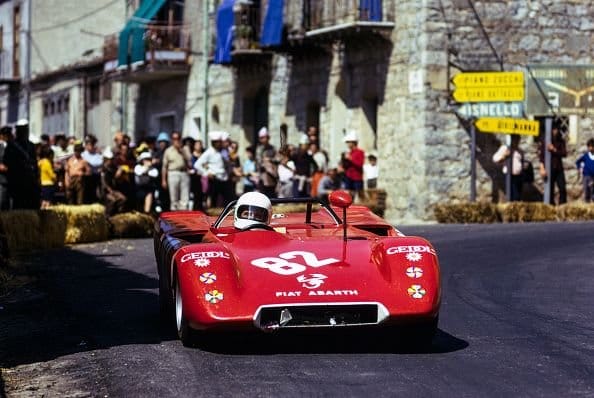
Its competition debut came in May 1970 at an Italian hill climb event, where it secured an immediate victory, validating the design’s effectiveness. That early success established the Millino as a competitive force within its class.
Chassis SE 018-X001/O, assembled the same year, is believed to have been part of the factory’s initial racing efforts. The car later continued its competitive career under Squadra Corse Osella following Abarth’s integration into Fiat. In 1971, it participated in the Targa Florio, achieving a class win in the sub-1000-cc prototype category and finishing strongly overall.
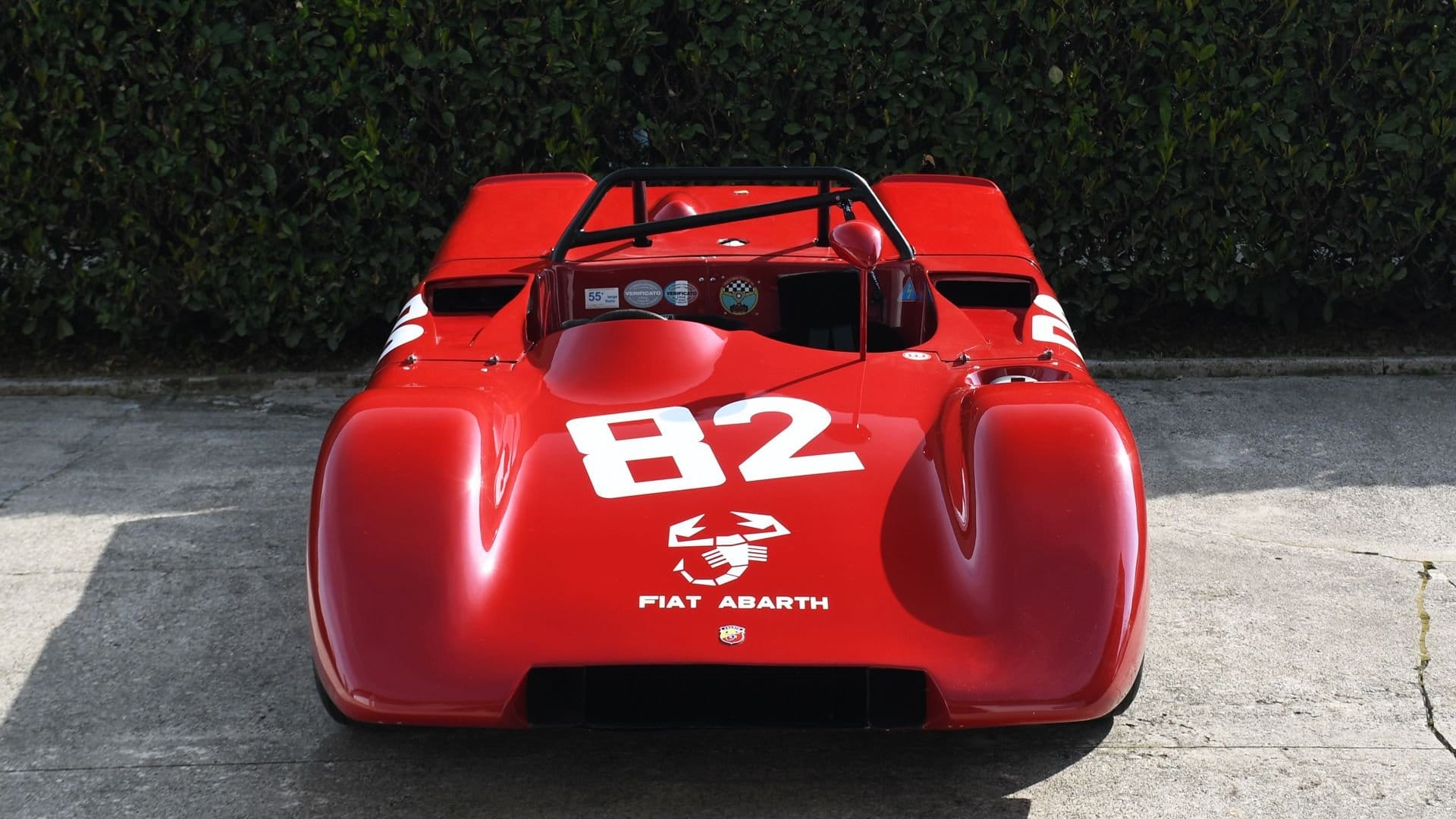
The vehicle remained active in competition for several years, including appearances in notable hill climb events. It also underwent a period modification to a belt-driven configuration, distinguishing it from other surviving examples.
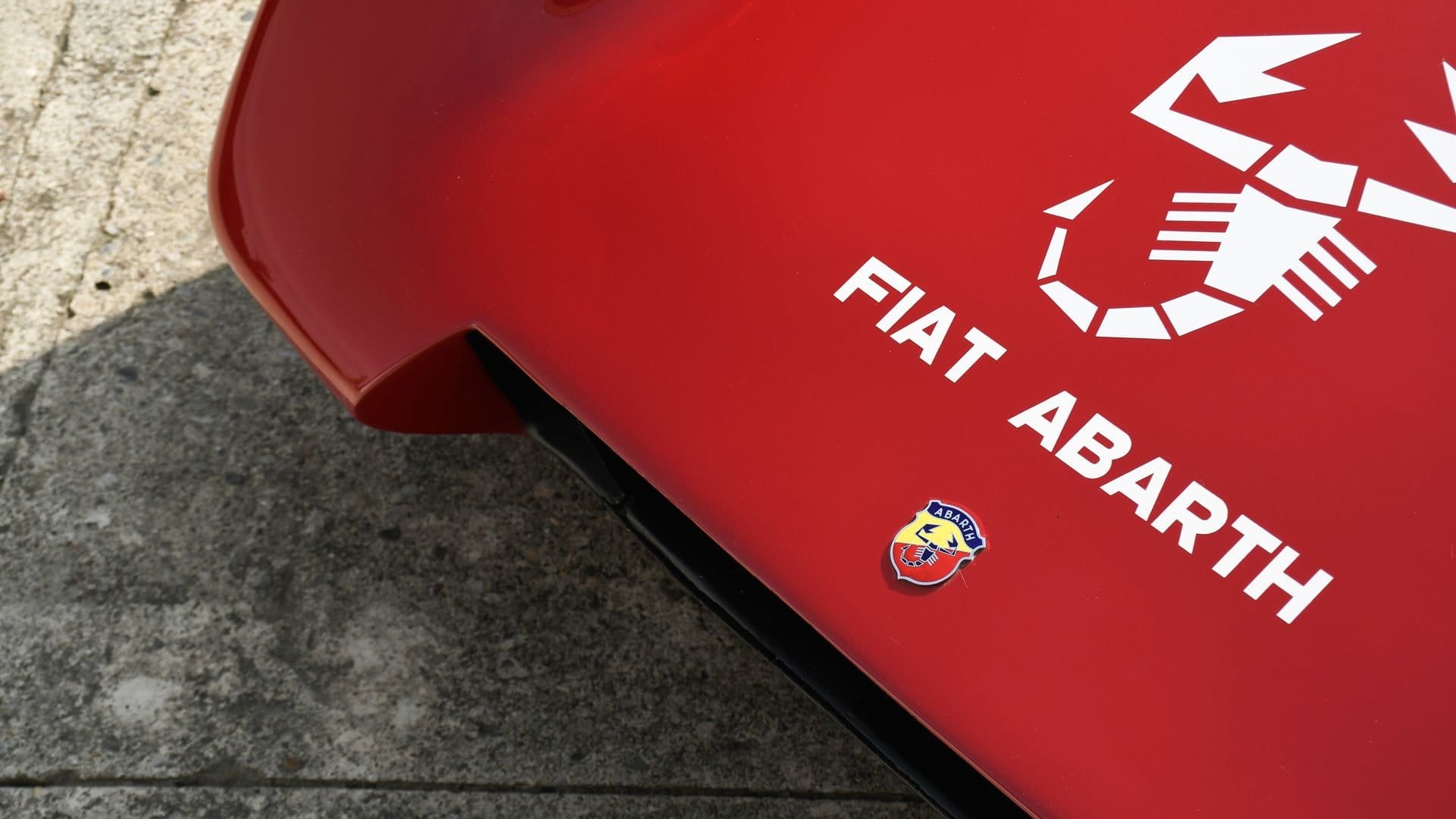
Now under private ownership, the car has benefited from a comprehensive mechanical restoration and remains preserved in exceptional condition, supported by detailed documentation. See it here.